
Dielectrophoresis Induced by a Nanoporous Membrane
It is expecting that the high electric field gradient at the nanopore entrance could amplify the dielectrophoretic force so that the nanoparticles transported toward the membrane could be manipulated based on their polarizabilities. To prove the concept, the electric field was applied across the nanoporous membrane while a bolus of gold nanoparticles was delivered across the membrane under pressure-driven flow (PDF) as depicted in Figure 1, and a lab-on-a-chip system used to test the dielectrophoresis is shown in Figure 2.
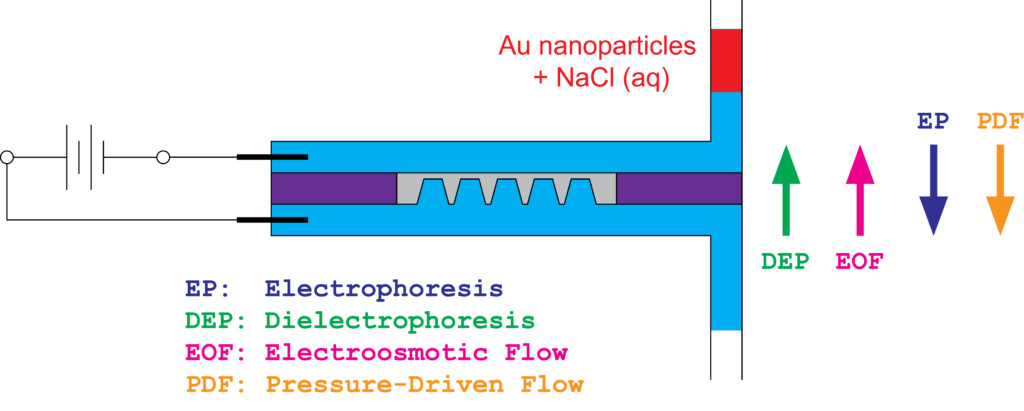
Figure 1. Schematic showing the dielectrophoretic force and all other forces involving in the retention of gold nanoparticles on the membrane surface.
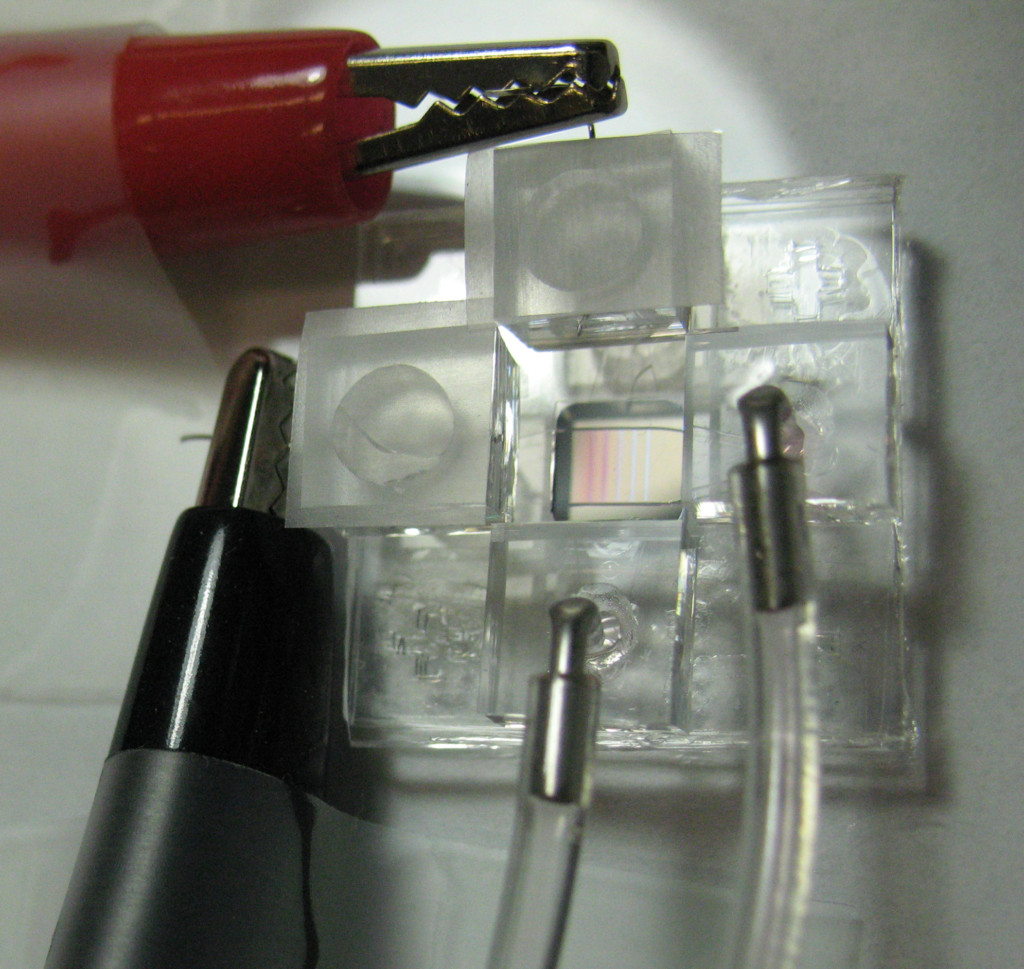
Figure 2. Lab-on-a-chip system implementation of the schematic shown in Figure 1.
At the absence of electric field, these 5-nm gold nanoparticles could pass through the nanopores without fouling the membrane, but when the electric field was applied, the gold nanoparticles were retained on the surface of membrane. A series of images captured over 30 minutes of operation is shown as follows. In this preliminary study, the dielectrophoretic force was induced by a constant applied voltage of 20 V. The solution was 10 mM NaCl (aq).
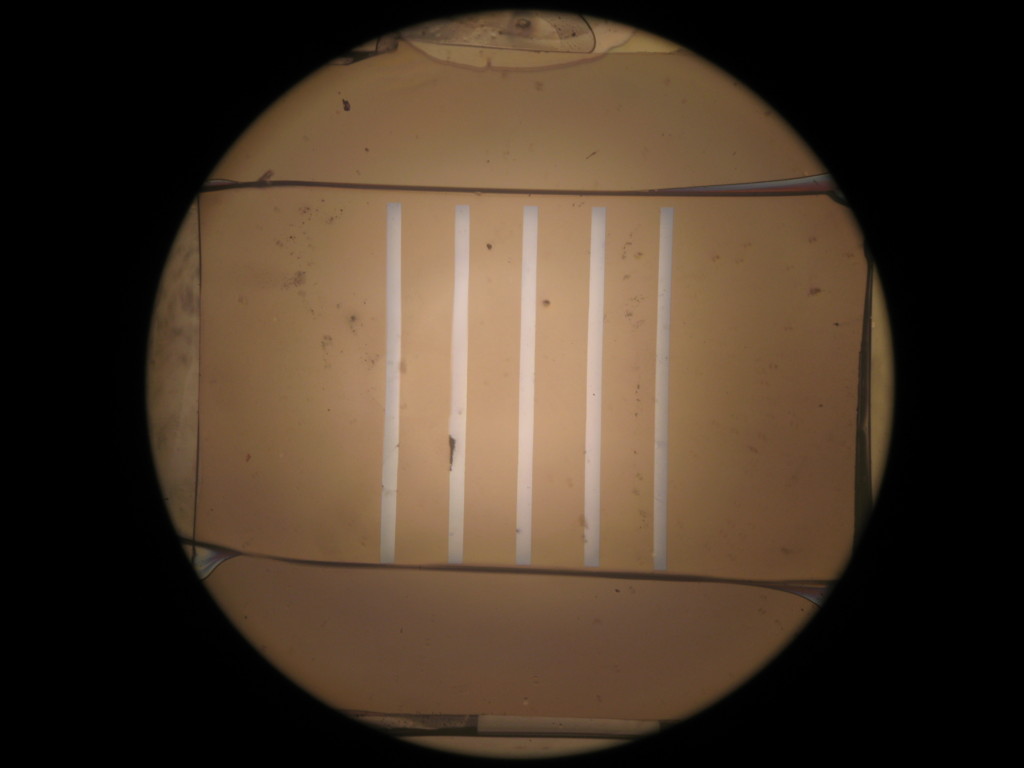
Figure 3(a). Before applying the voltage.
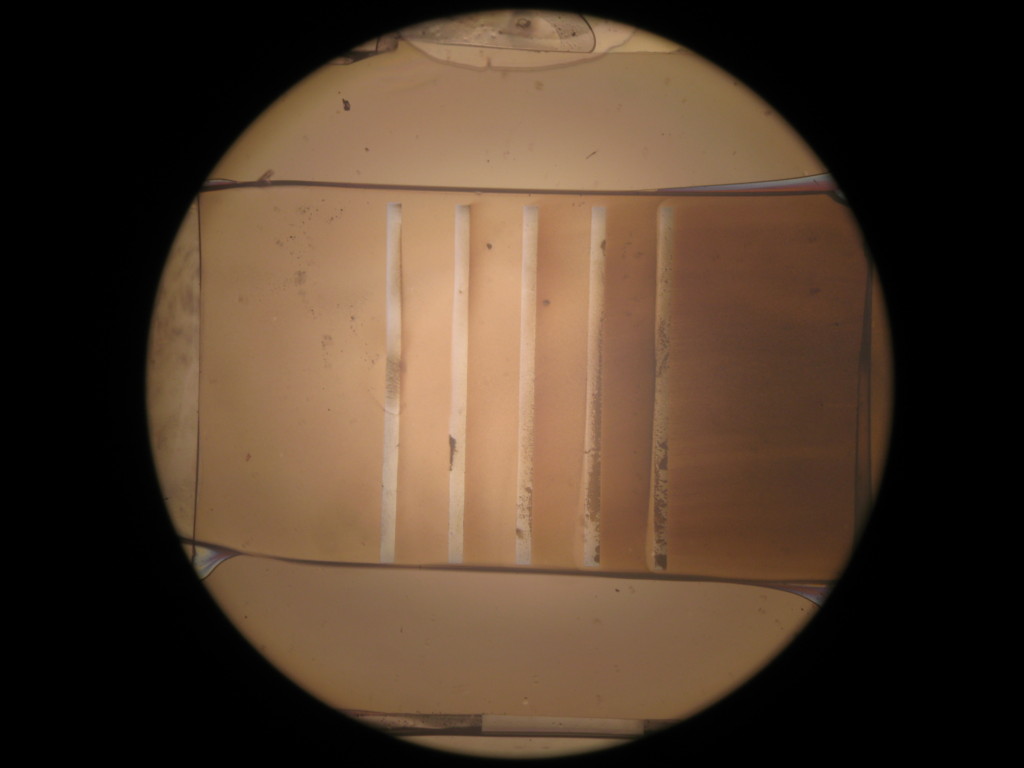
Figure 3(b). 5 minutes after applying 20 V (DC), the amount of gold nanoparticles retained on the membrane surface increased.
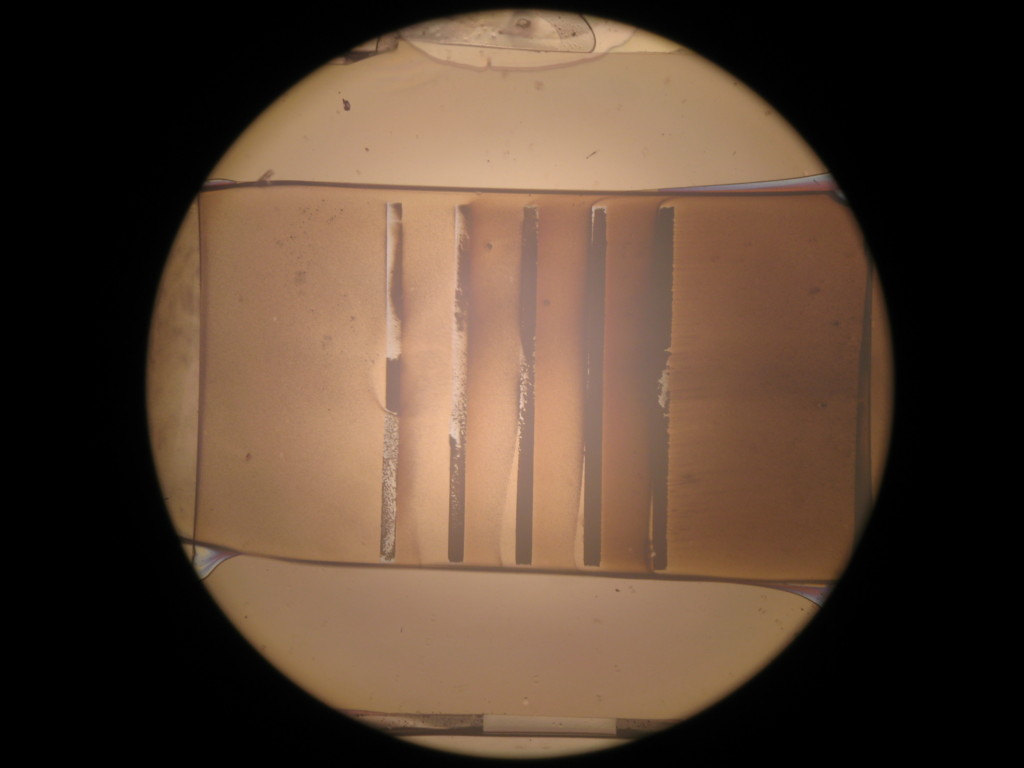
Figure 3(c). 15 minutes after applying 20 V (DC), more gold nanoparticles gathered on the membrane surface.

Figure 3(d). 30 minutes of applying 20 V (DC) right before turning off.
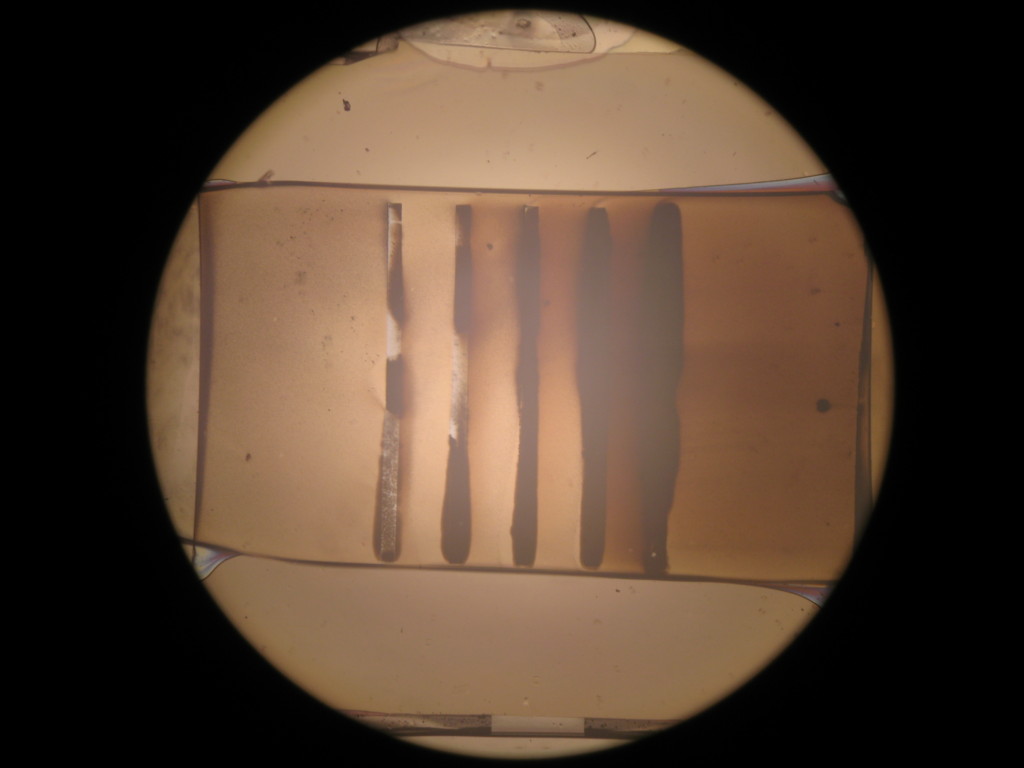
Figure 3(e). Right after turning off the voltage, the gold nanoparticles started to diffuse away; however, PDF was not strong enough to carry all gold nanoparticles through the membrane.
The presence of the electroosmotic flow in the opposite direction to the dielectrophoretic force makes it ambiguous to conclude that the dielectrophoresis is responsible for the retention of gold nanoparticles on the surface of membrane. It is expected that if the electric field is applied under AC condition, the influence of the electroosmosis and electrophoresis will be negligible and the influence of dielectrophoresis will be evident.