
Cleaning MgF2 Nanomembranes after International Shipping
I had previously manufactured some freestanding MgF2 nanomembranes (50 nm MgF2, starting from Wafer Template 1174) for my work here in Nottingham. I shipped about 75 chips at the beginning of July in my 3d printed holders, however, they arrived with a noticeable film discoloration (tending to blue/tan, rather than the nice purple color I had been seeing).


Unfortunately, these membranes would be useless to my ends if they were clogged and bound to an unknown molecule. I have some suspicions that they were polystyrene contaminants from the shipping container. Under some low-quality SEM, it is fuzzily apparent that some spherical particulates are clogging up the surface.
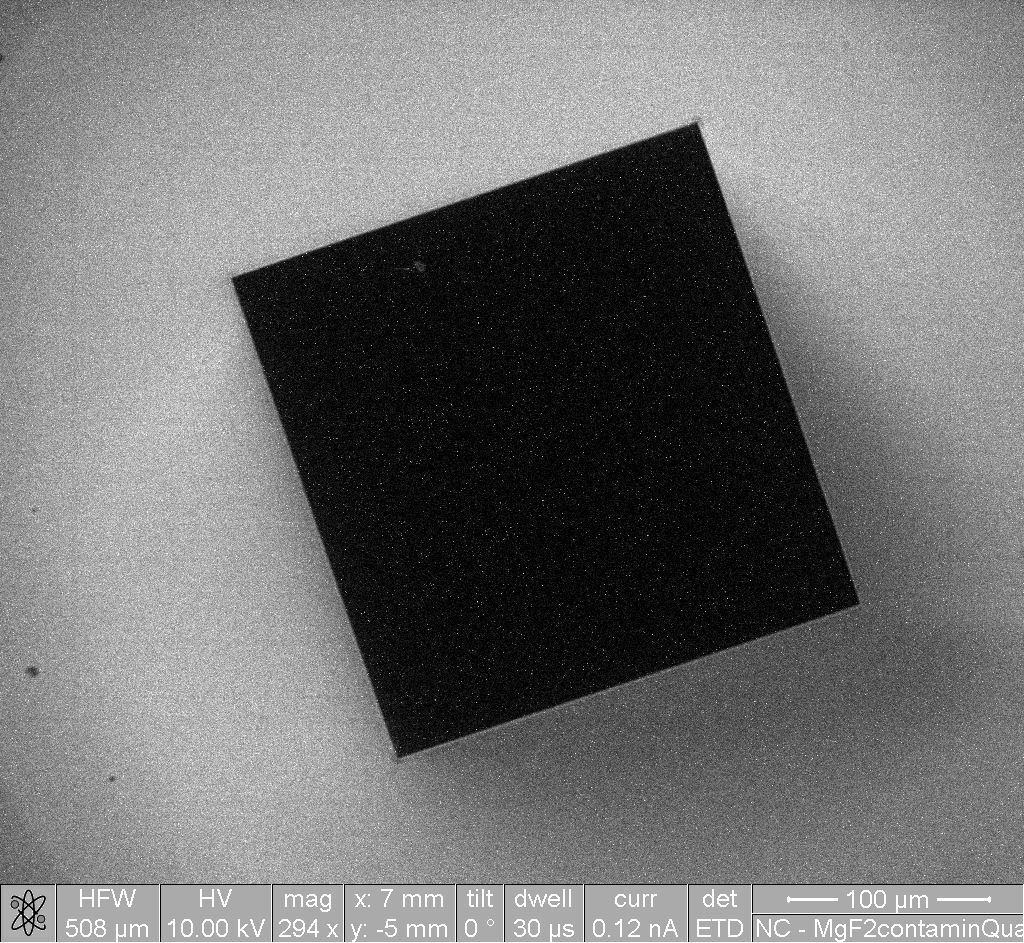
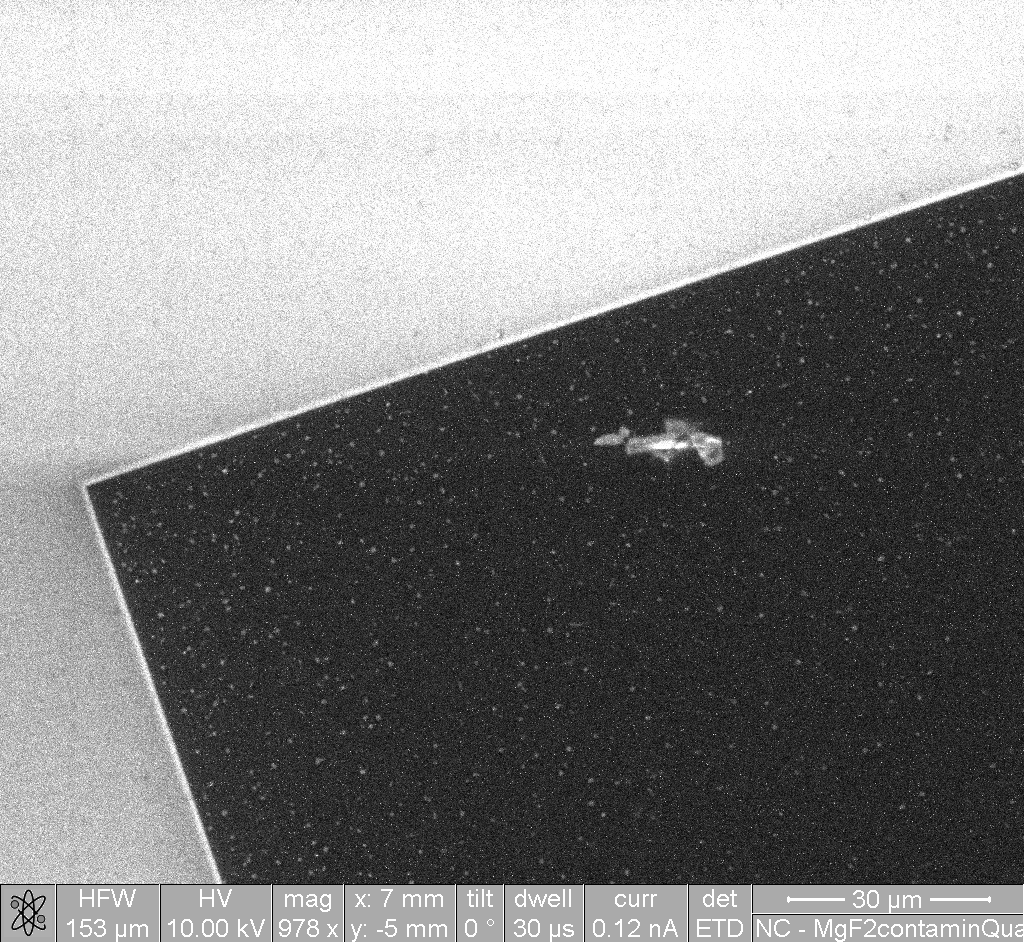
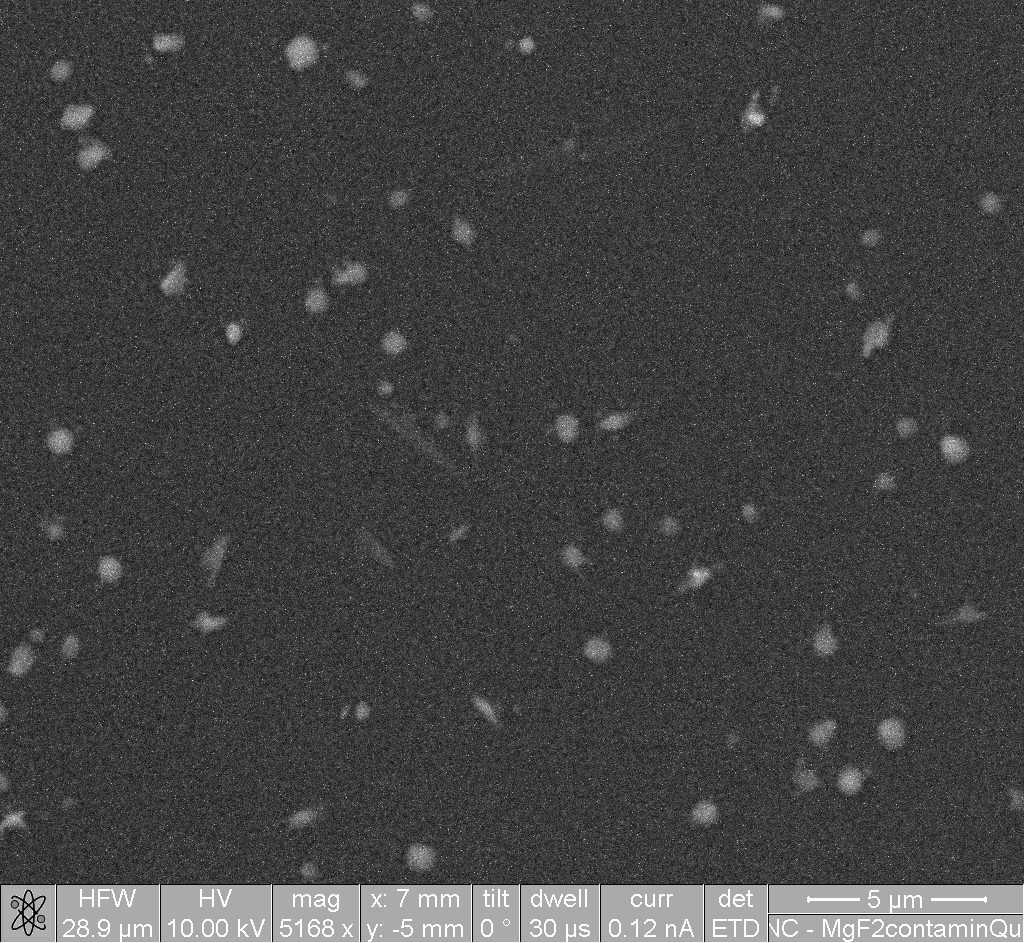
| Treatment | Image |
| Toluene (5 minutes) |
|
| Ethanol (8 hrs) |
|
| Acetone/Methanol 50%/50% then Isopropanol (5 minutes/ 1 minute) |
|
| 37% HCl (1 minutes) |
|
| Piranha Etch (3:1 H2SO4:H2O2) (1 minute) |
|
| Plasma Clean (25% O2/75% Ar, 20 minutes, ~10 mTorr) |
|


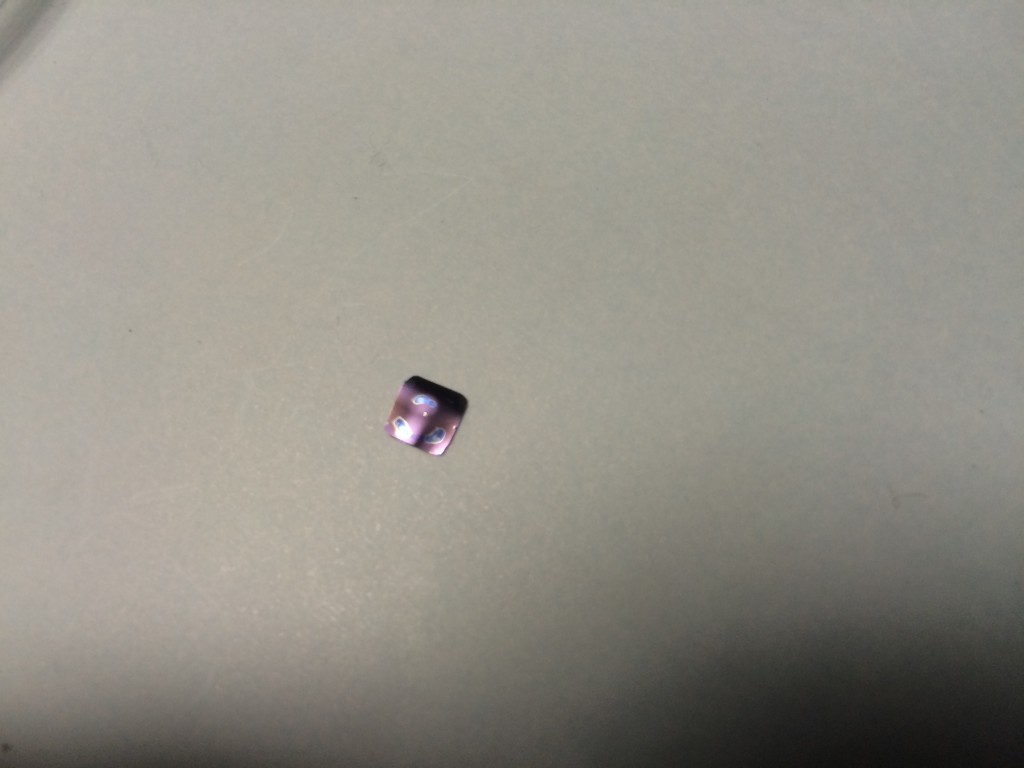

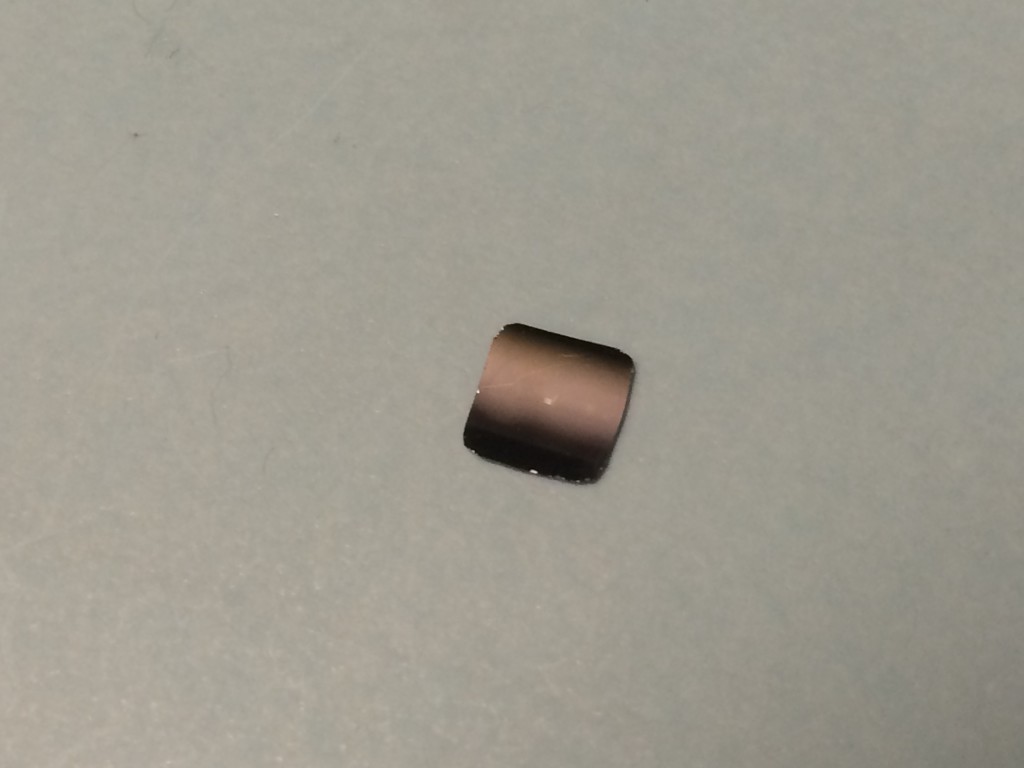
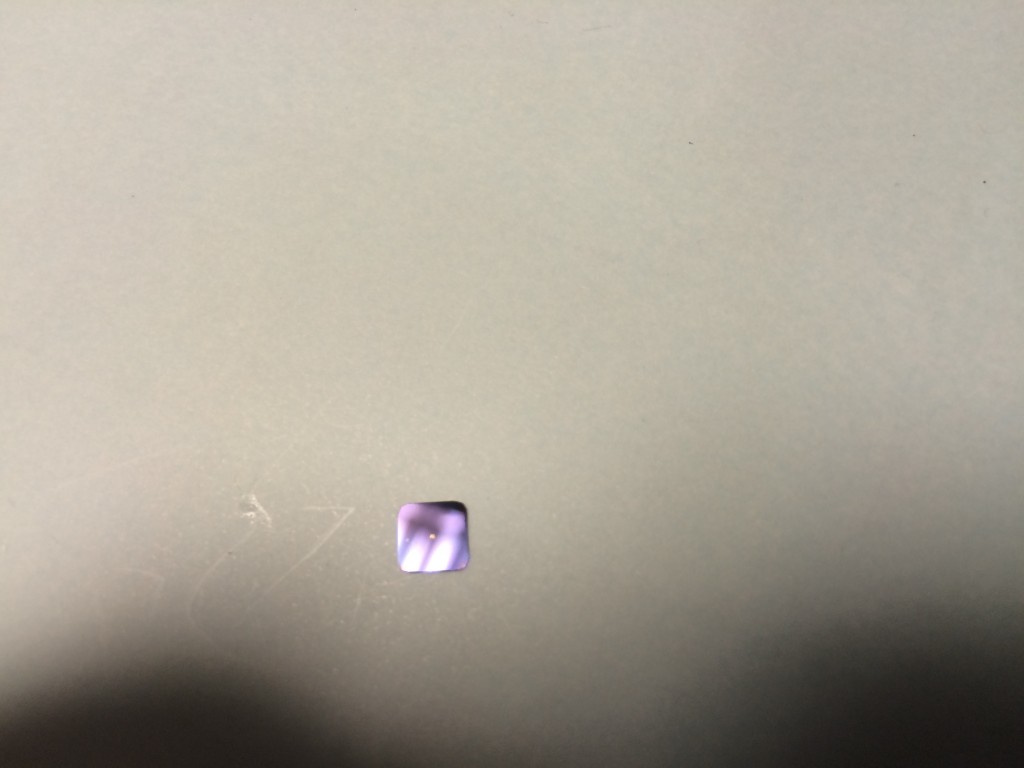
Toluene didn’t touch the scummed surface, so it probably is not polystyrene based after all. Both Piranha etch and HCl etches are attacking the surface or leaving deposits of something that change the native film color; MgF2 is supposed to be inert against these (0.1 nm/min etch rates) Ethanol appears to do something, but again, the film color is not correct. The acetone/methanol combination is good for moving things out of the active area, but leaves deposits of the substance where it remains. The plasma cleaner is the big winner over here.

If you can vacuum seal/ship your samples, do so! It saves a lot of work on the other end.

[Seems like my previous comment didn’t get through!]
I believe the only reason to use the 3D printed holders was to prevent contamination from the PDMS gaskets holding the chips.
Can we just use a double sided Kapton tape to adhere the chips to the gel box? I had shipped our chips that way, and although it was within US, they reached safely. Kapton tape leaves minimal residues and is easy to pack and unpack.
Do you think that will interfere with your Raman signals?
The polystyrene is unlikely to be the cause, since it’s probably the most stable material in the packaging. 3D printed material is porous and far more likely to contain contaminants, in my experience. The type of bag also makes a difference – metallized mylar has performed well for me, and I would also suggest a pack of molecular sieve to guard against any condensation. Keep in mind for international shipping, they will likey be in the hold of an aircraft, experiencing wide swings in temp, humidity, and pressure…
I would also avoid vacuum packing, and this tends to pull more crap out of the packaging material, making matters worse – go with a nice nitrogen purge and a good air-tight seal.
The effect you are seeing is very extreme, as such color changes probably require 10’s of nm of build – I’ve never seen anything that bad, but it’s good that the plasma removes it.