
Membrane characteristics (w404 vs. w336)
Membrane stability
Non treatedW404 samples in DMEM
15um beads on the membrane: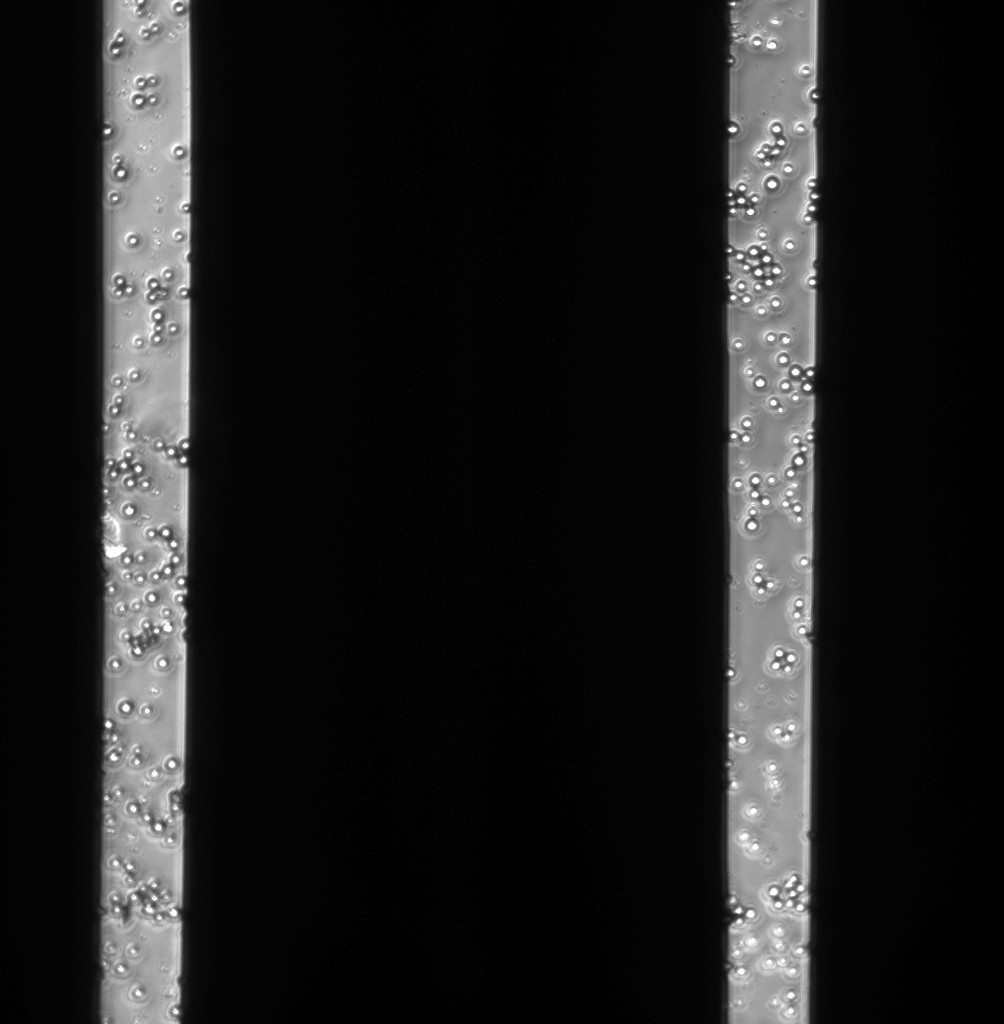


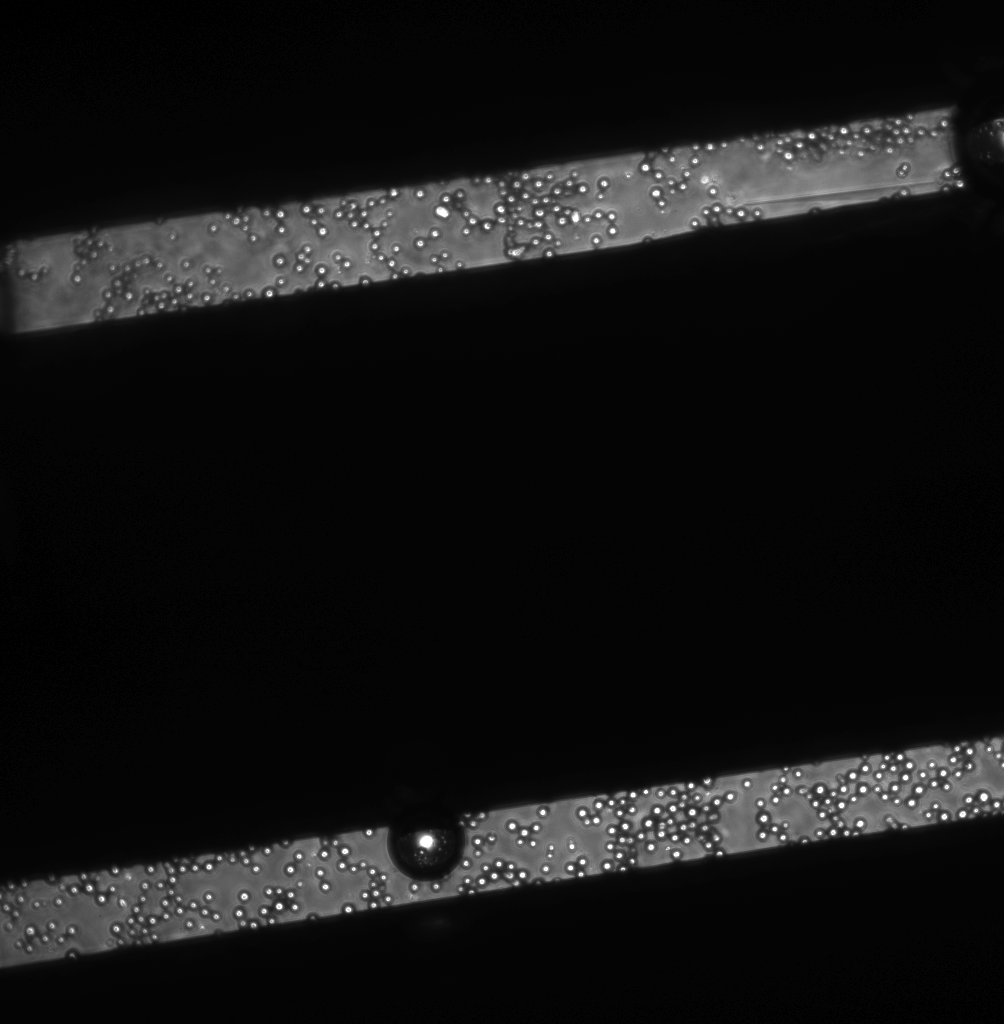
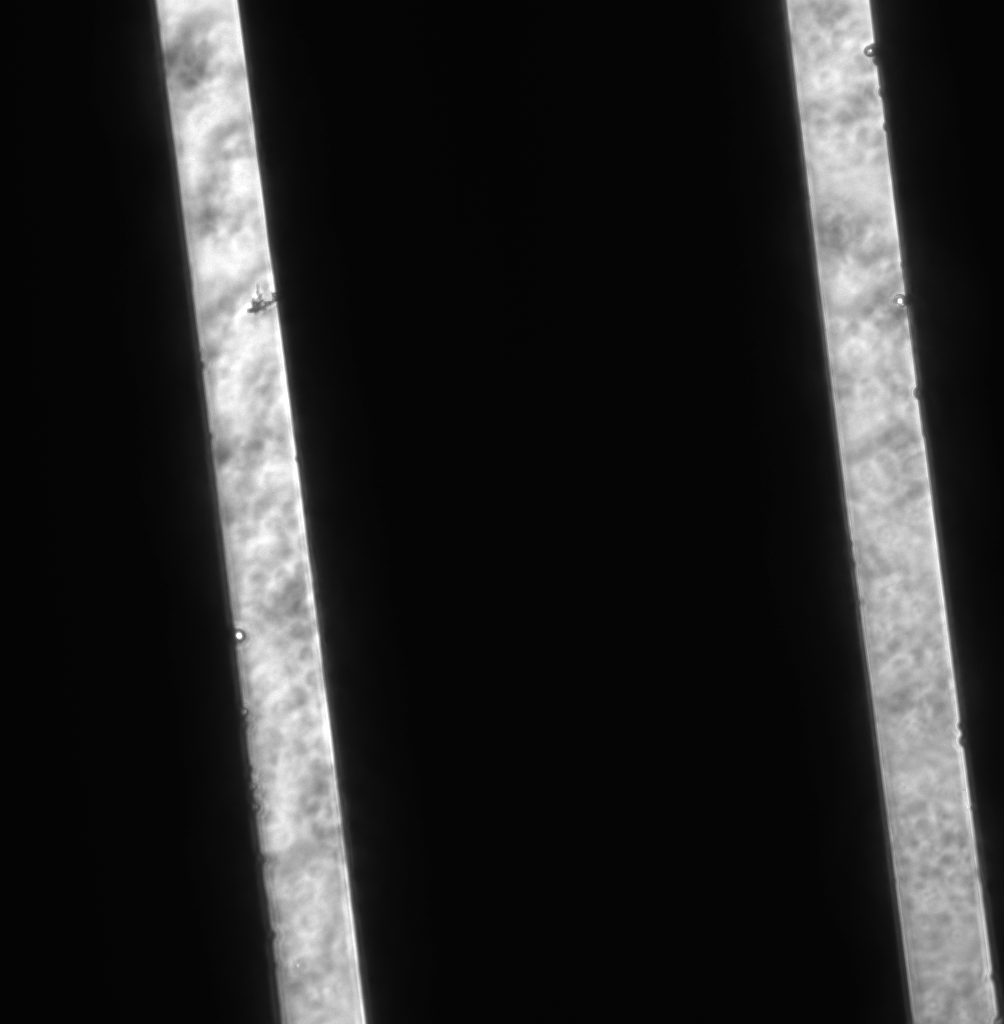
15um beads below the slit: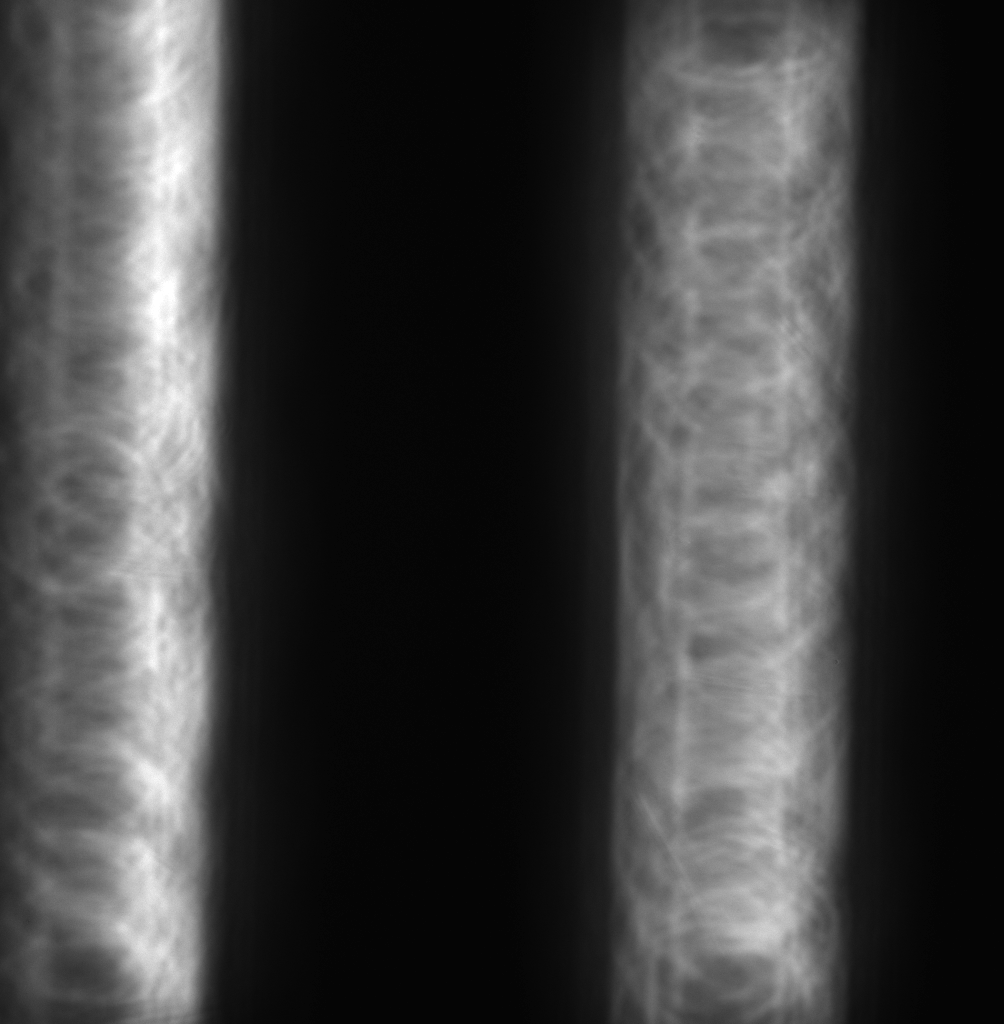

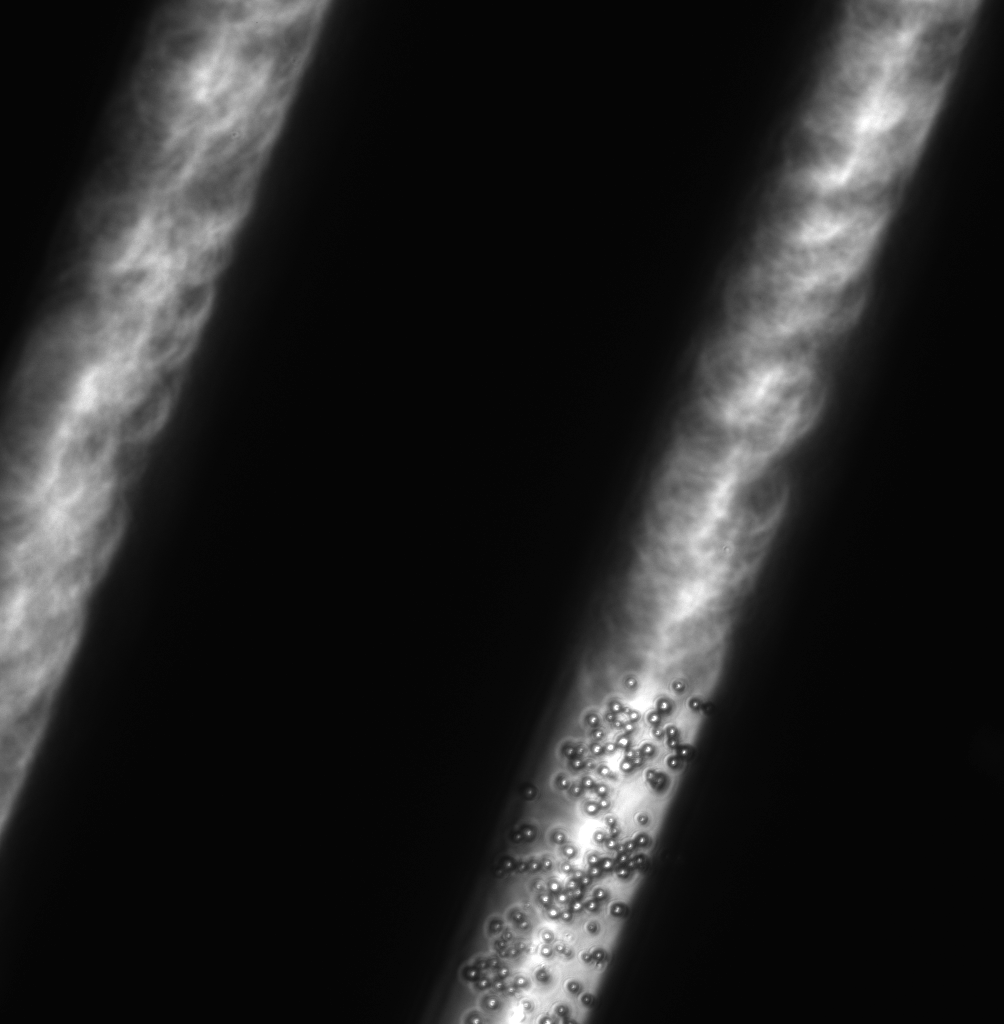
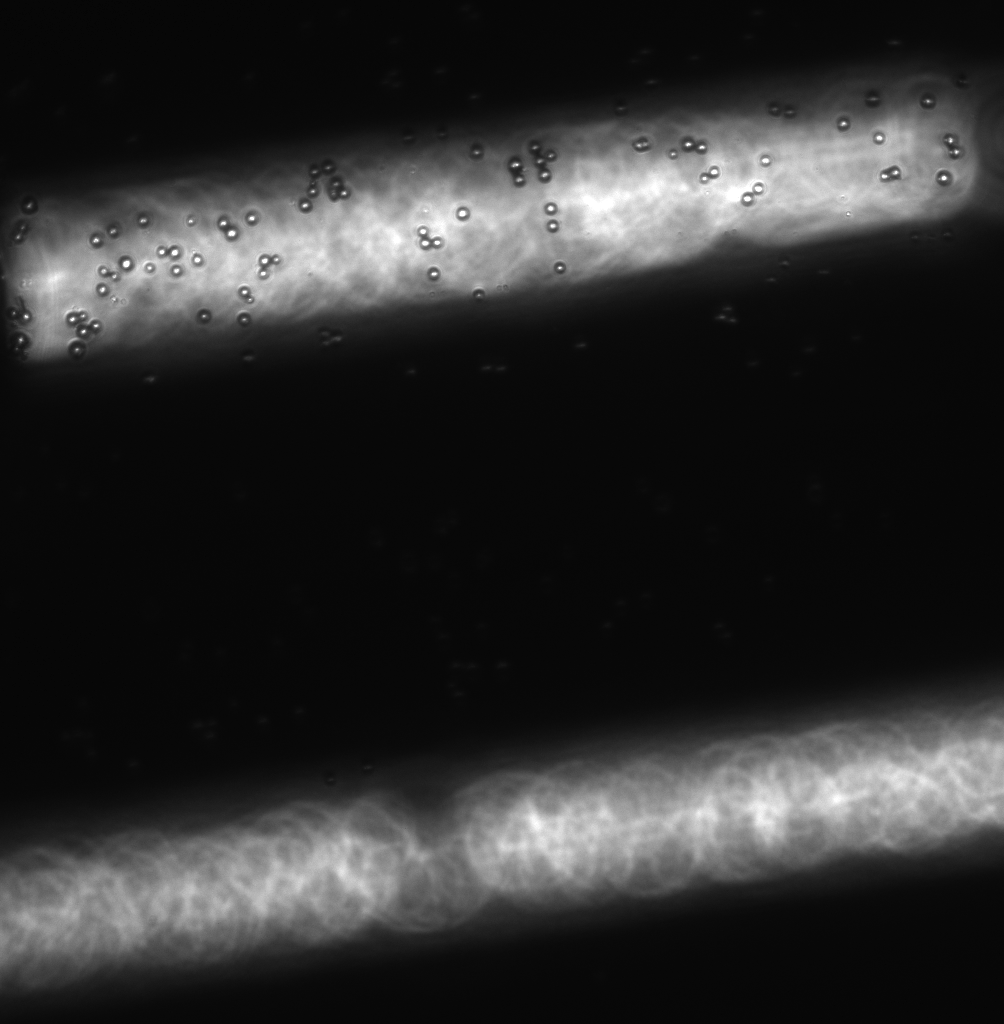

In order: (left to right)
1. t=0
2. t=3
3. t=6
4. t=10
5. t=13 hrs.
Non treated W336 samples in DMEM
15um beads on the membrane:


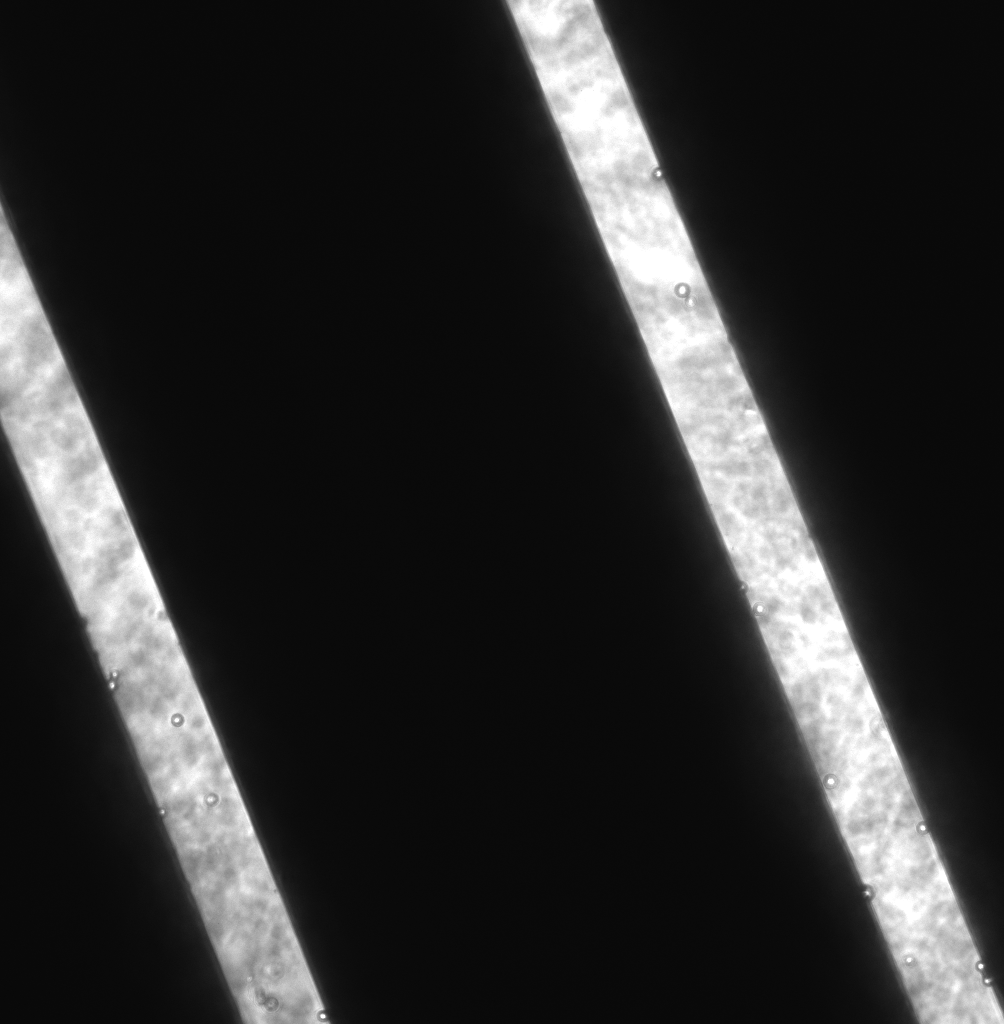
15um beads below the slit: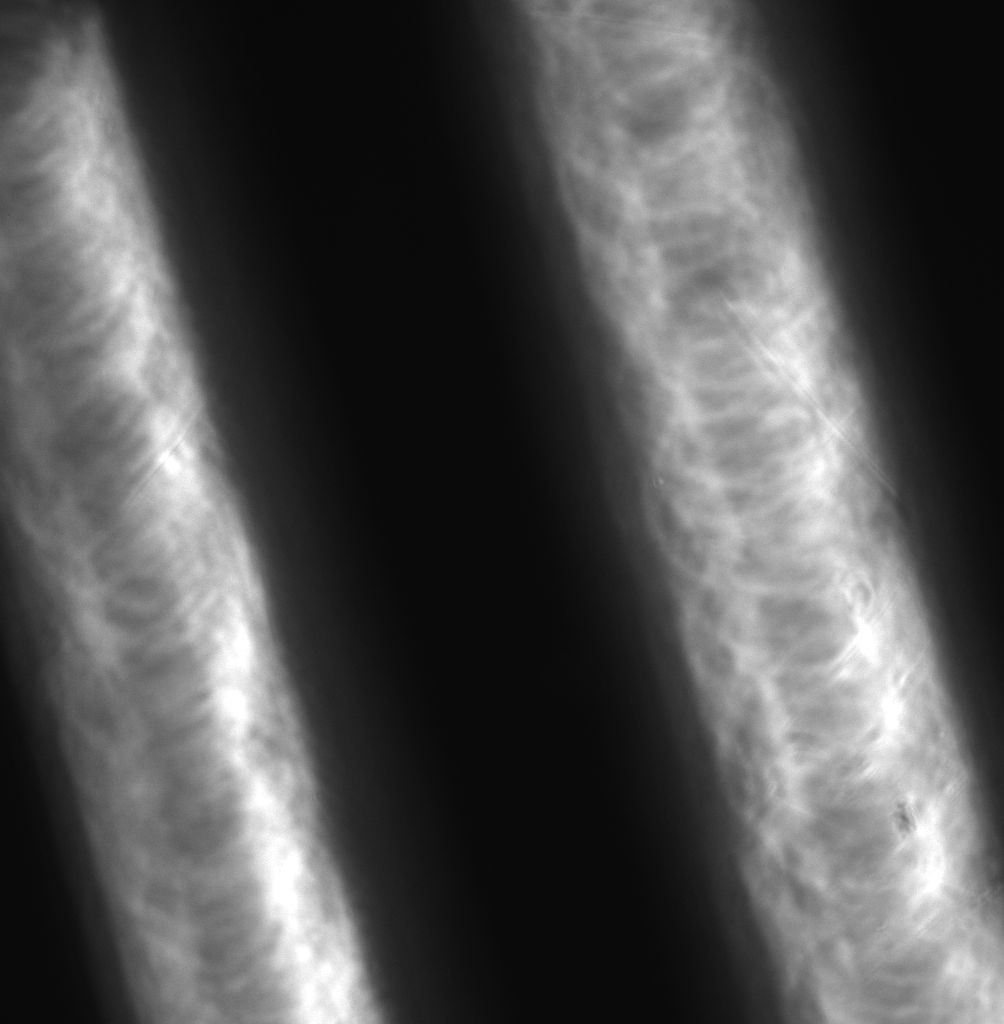

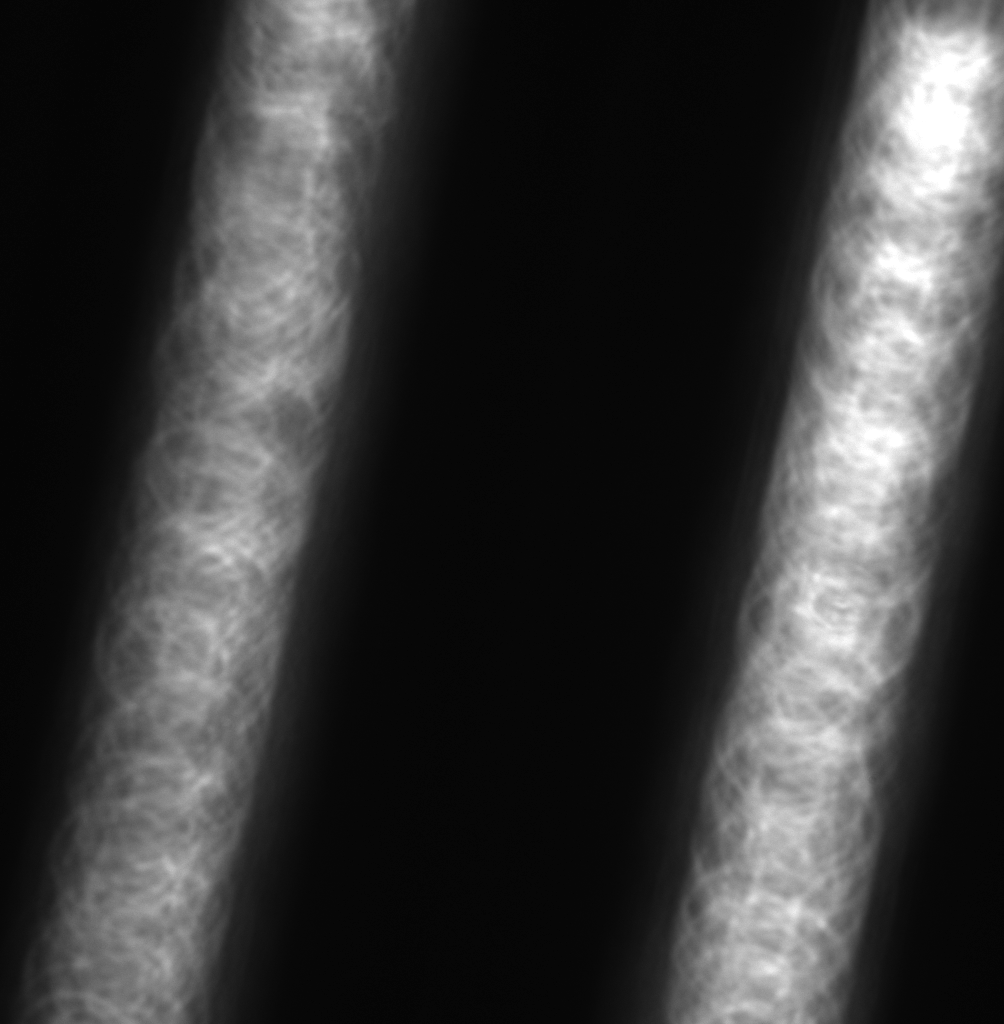


In order: (left to right)
1. t=0
2. t=12
3. t=26
4. t=31
5. t=48 hrs.
Chip discoloration
Non treated W404 samples in DMEM


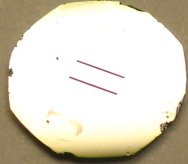
In order: (left to right)
1. t=0
2. t=3
3. t=6
4. t=10
5. t=12
6. t=22 hrs.
Non treated W336 samples in DMEM
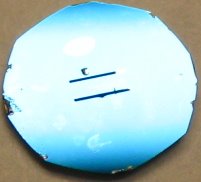


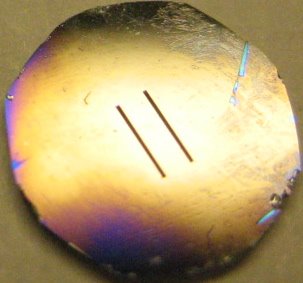

In order: (left to right)
1. t=0
2. t=30
3. t=48
4. t=51
5. t=57
6. t=80 hrs.
Note: W404 sample had a distinct faded color different from anything we’ve seen before. All the other wafers treated differently with the new procedure (i.e. above 400 nos.) seem to have the normal chip color.
Is something really different with w404 in comparison to other 40_ wafers?
Good looking study. But what did we test?
I thought this was supposed to be a comparison between thermal oxide base and sputtered oxide base layers. But like Anant, I see that 404 is different from other thermal oxide wafers – based on the starting color. We’ll need Dave or Chris to weigh in to help us understand what we’ve tested here.
It is challenging to use chip color as an indicator when wafer color varies from one wafer to another. In such cases the slower throughput bead monitoring method is important as a check on membrane integrity. The wafers are usually more consistent than these two, but sometimes we see that the starting color changes from inside to outside chips on a single wafer. Are these all due to differences in etching/stripping? Assuming we are not testing a treatment or processing step that we know changes the color, we might only choose traditionally blue membranes for these studies. Certainly anything we publish should start from the same color.
From this post it seems that the membranes break when the material over the chip reflects in a gold color. If the membranes start closer to this color – they break sooner. Lets pay attention to see if that is a decent rule-of-thumb.
For the 336 wafer – with or without serum?