
Flabbergrassted: Persistent Surface Roughness in Polyurethane Acrylate Etches
Since I discovered a dilution of polyurethane acrylate (PUA) which coats well (described here), I have restarted my efforts towards etching the PUA. Described below are my most recent attempts towards creating a PUA coating with a smooth surface with a 1 um in thickness. Unfortunately, it has proven harder to maintain a smooth surface than previously thought as grass-like structures plague our surface after etching. Nonetheless, incremental progress has been made.
Flat Side Etches (FSE)
25/50 SCCMs O2/Ar 80 W Flat Side Etch for 10 Minutes (Recipe 1)
Previously, this was one of my better flat side etches. This time around, it created a rougher surface than desired. While the PUA was thicker this time compared to the last time I tried this etch, I thought it would have kept the surface smooth. I moved to the next etch in hopes of better results.

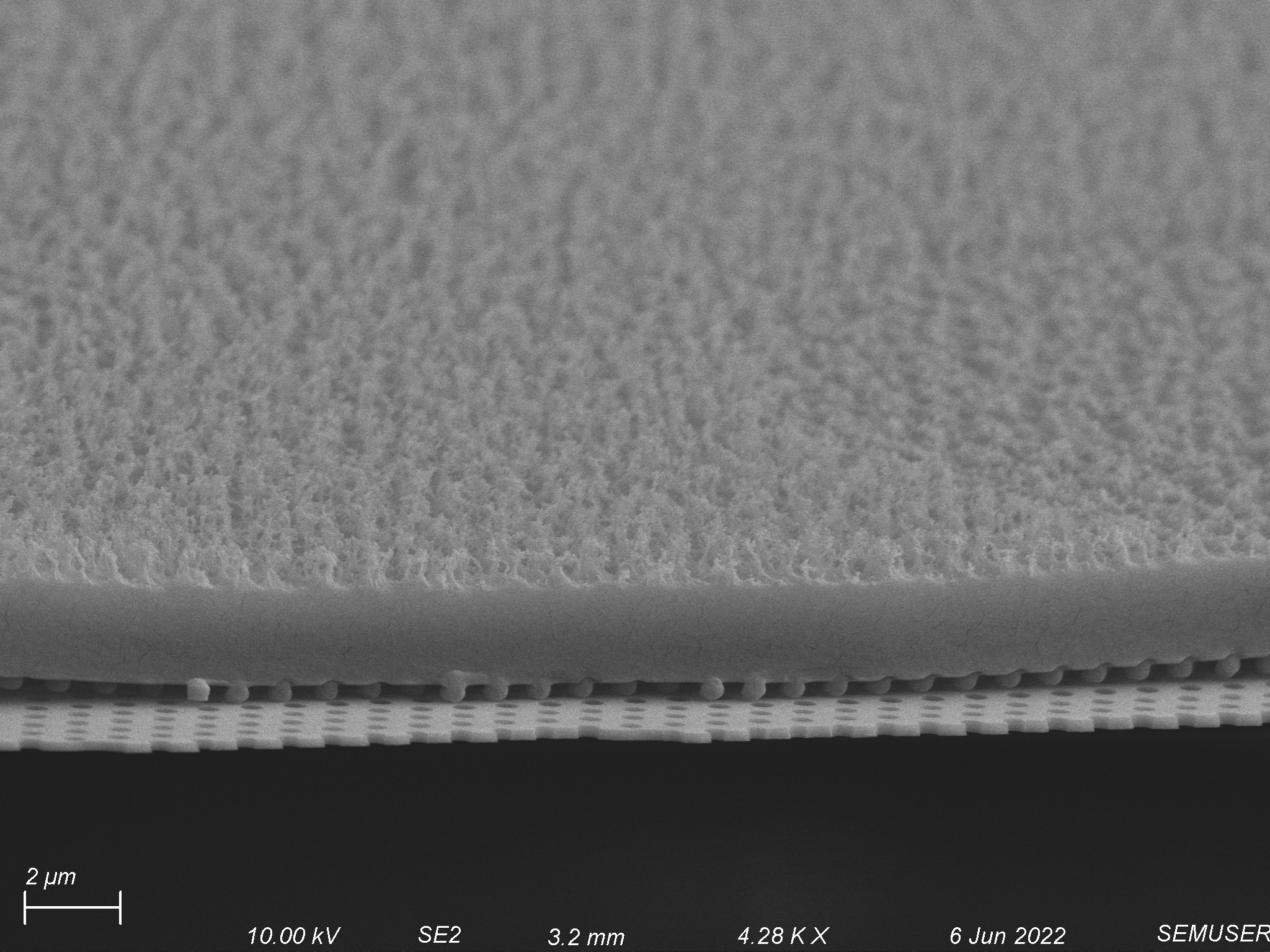
25/50 SCCMs O2/Ar 110 W Flat Side Etch for 7 Minutes (Recipe 2)
This was another etch that also performed well in the past. Unfortunately, as was the case with the first etch in this post, it also did not perform well this time around. I continued to try other etches discussed below.

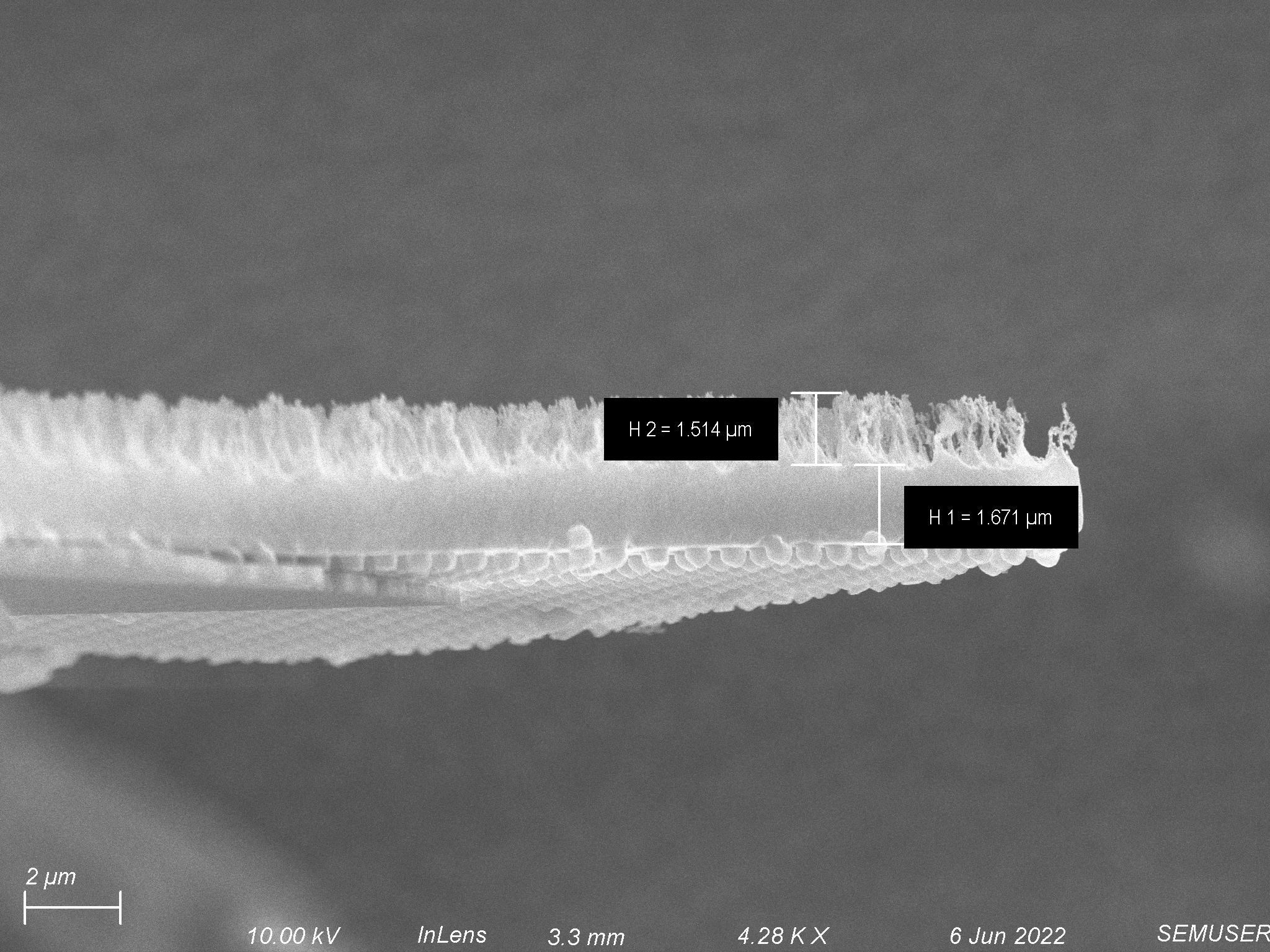
25 SCCMS O2 100 W Flat Side Etch for 5 Minutes (Recipe 3)
Looking through literature, I found that Oxygen etches should be the best for Carbon-rich polymers. Therefore, I tried this etch. Unfortunately, this did not improve the surface roughness issue we were having. I increased Oxygen in the next attempt to see if this would help.
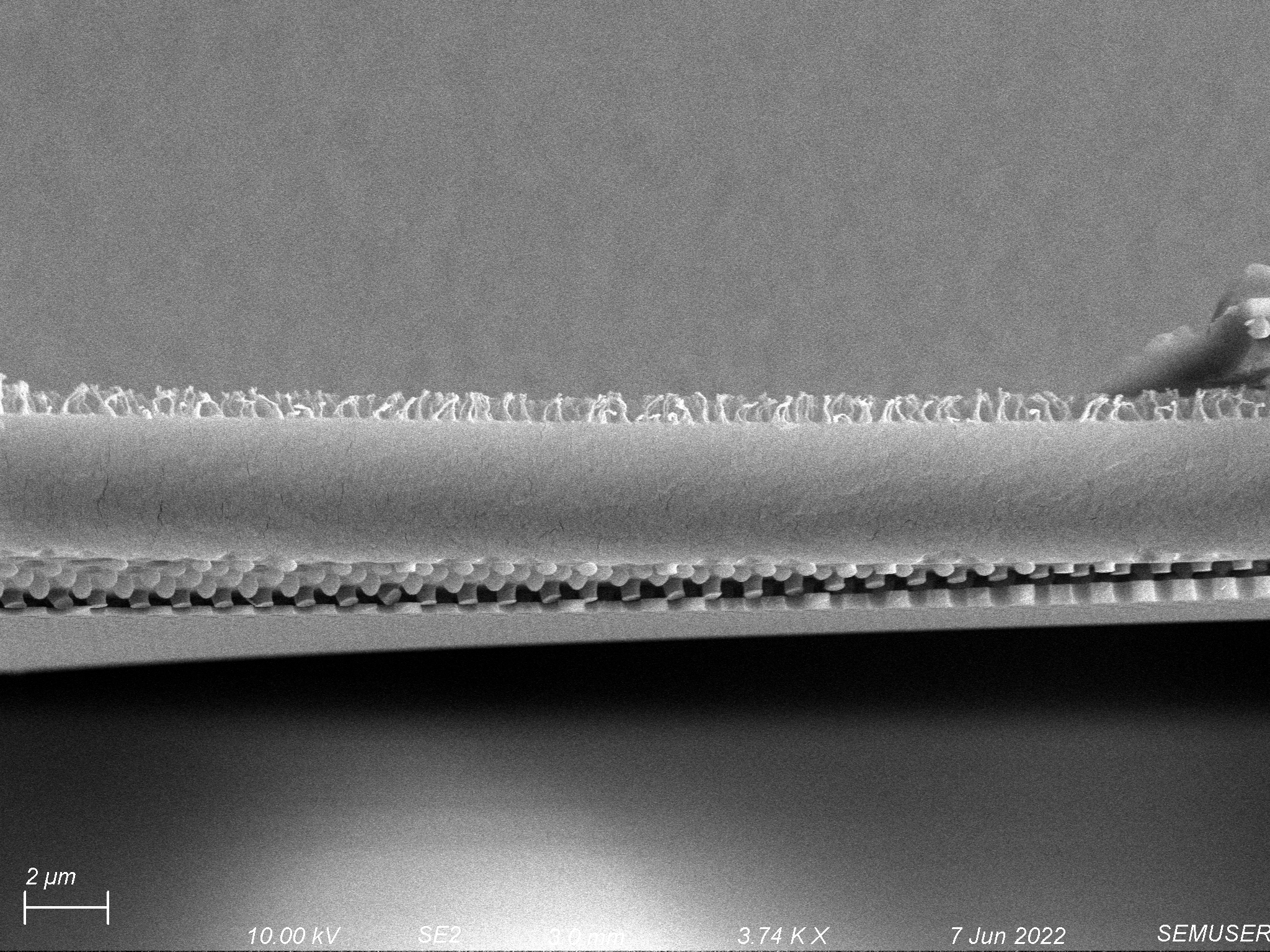
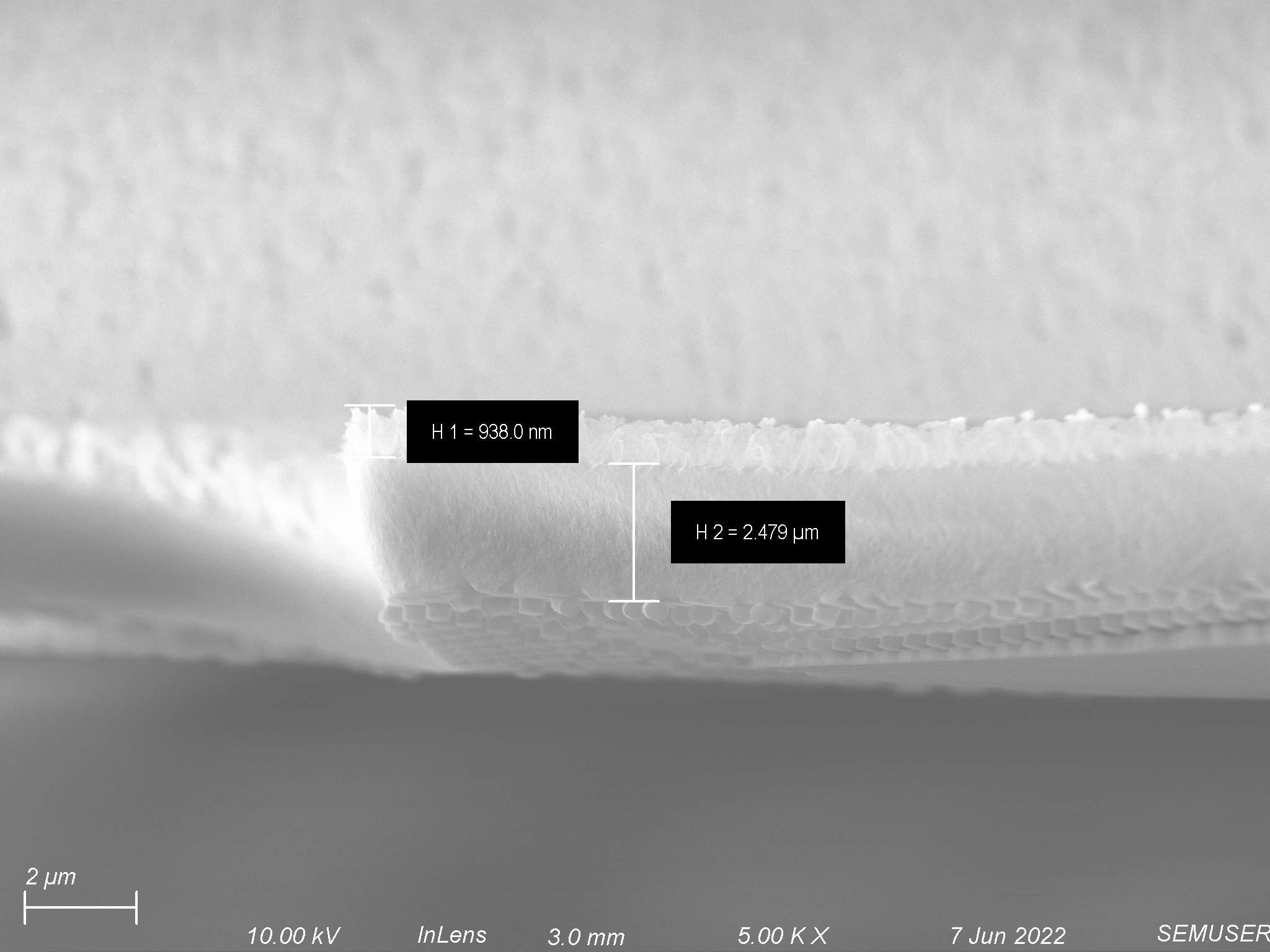
50 SCCMS O2 100 W Flat Side Etch for 5 Minutes (Recipe 4)
This did not help, so I reverted back to the Oxygen/Argon mix, keeping the same proportion, but decreasing chamber pressure.
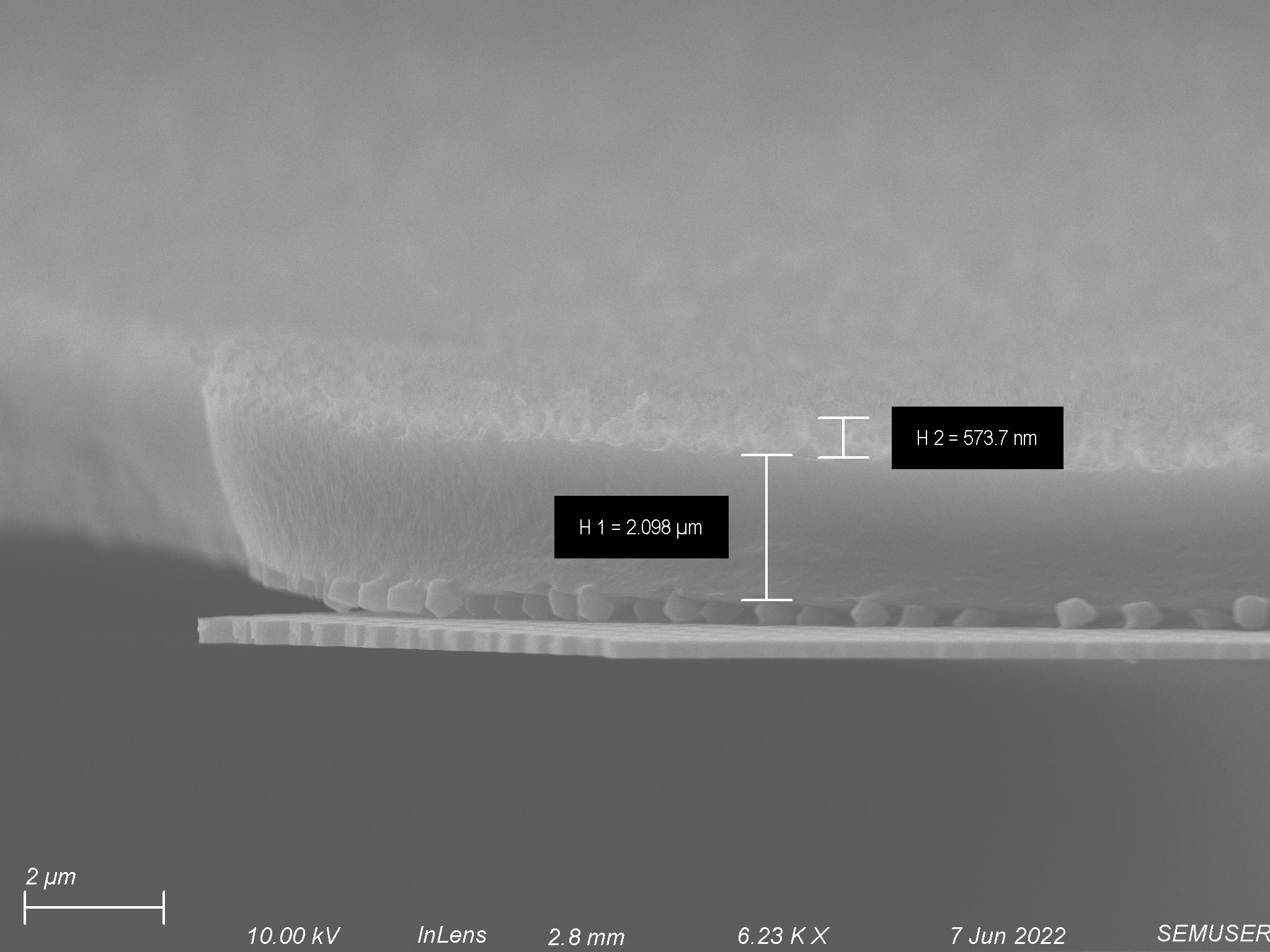
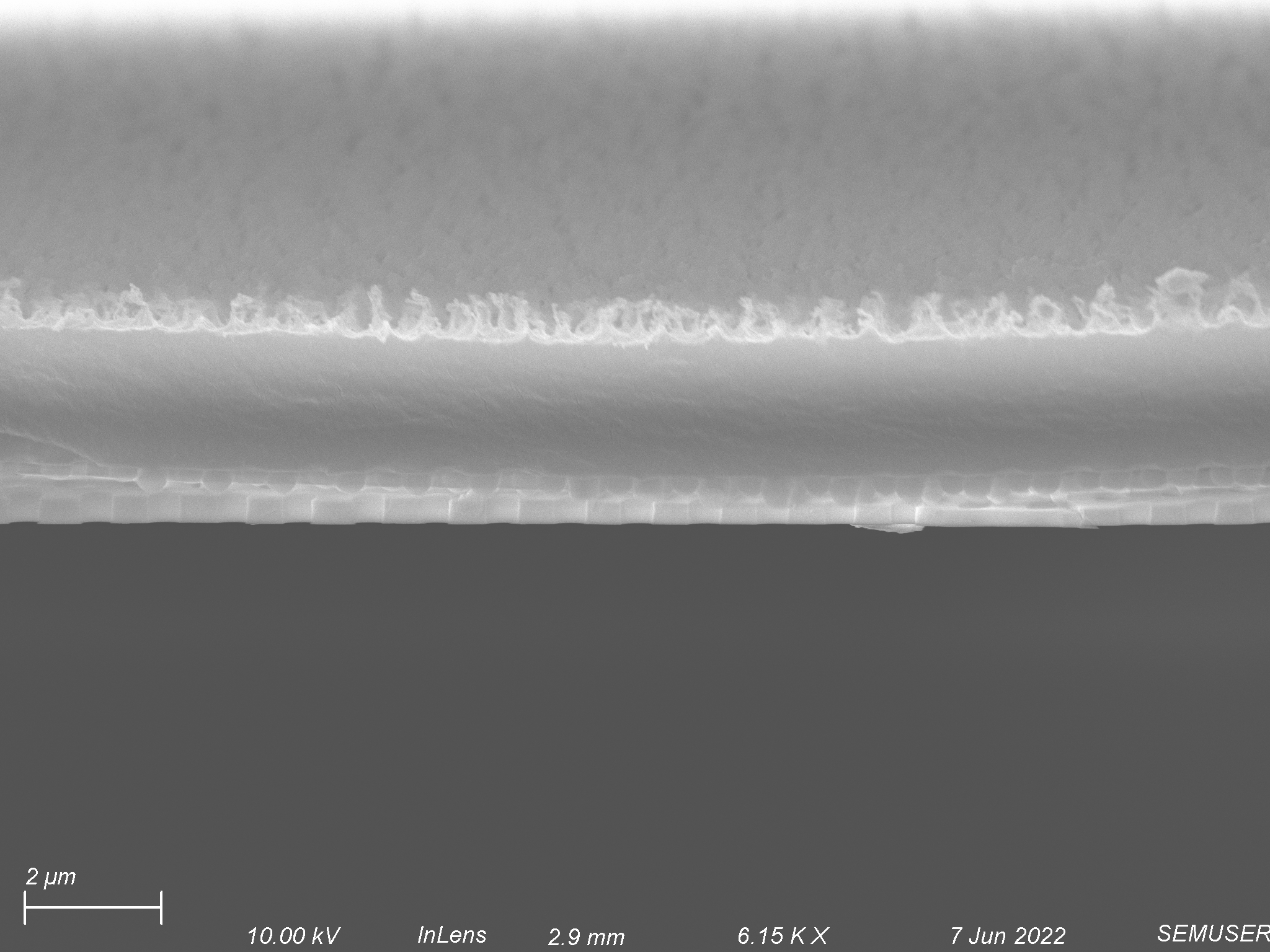
12.5/25 SCCMs O2/Ar 110 W Flat Side Etch for 7 Minutes (Recipe 5)
Unfortunately, this made things worse. This etch was much more directional and reminded me of results that I had seen in the past which created our more brush-like materials.

 O2 etching with a Oxygen/Plasma cleaner (Recipe 6)
With no luck Oxygen etching in the Reactive Ion Etcher (RIE), I tried etching with our less powerful Oxygen/Plasma cleaner. I etched at 100 W for 5 Minutes and this did not touch the PUA at all. Therefore, I will look elsewhere to solve our issues.

Back Etches
12.5/12.5 SCCMs O2/Ar 100 W Flat Side Etch for 20 Minutes (On the Backside of FSE Recipe 1 )
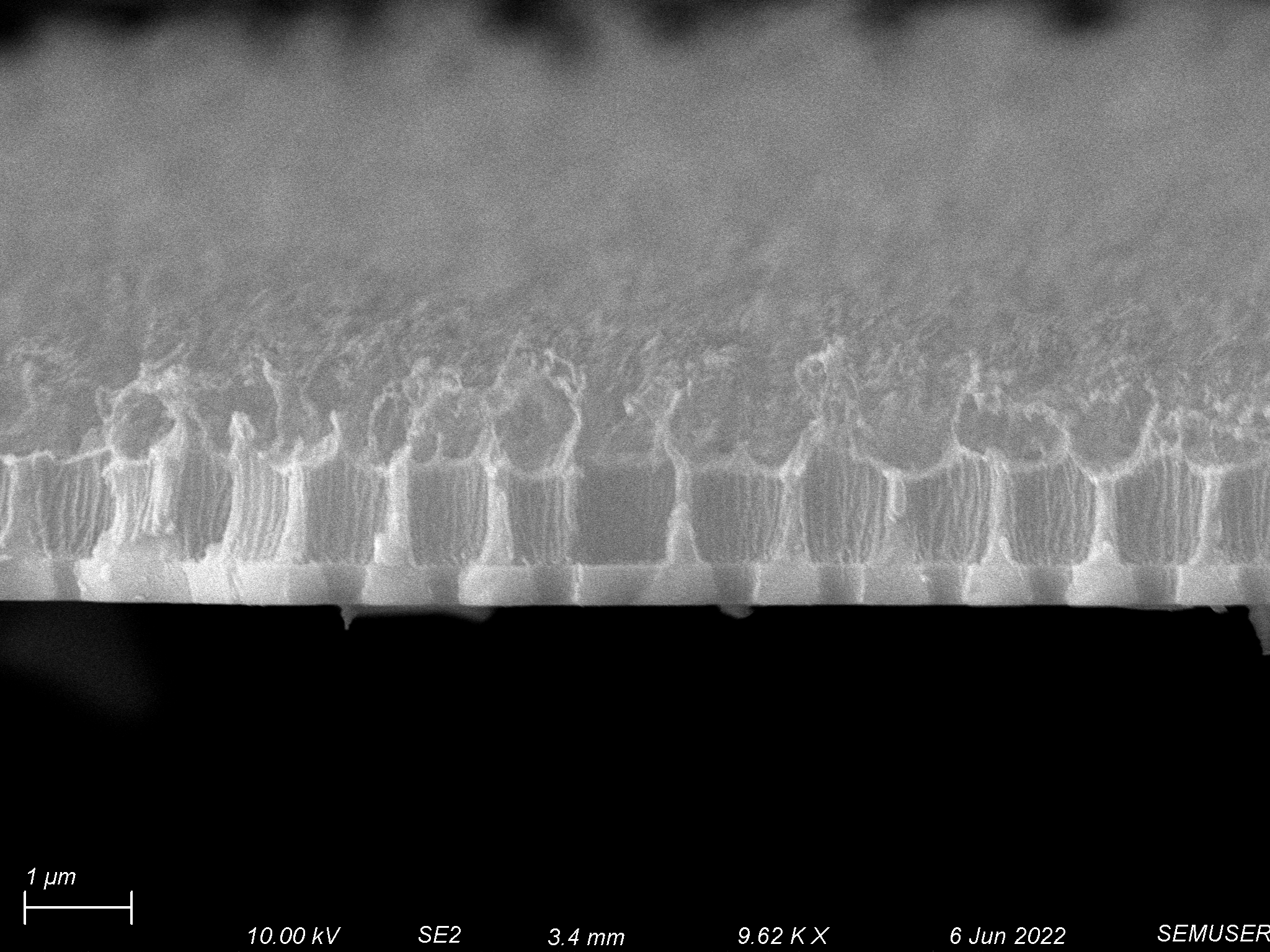
I planned to use the same back etch recipe that had given us good results in the past. Since the PUA was coating thicker now than in the past, I planned to etch for a longer duration. The hope was the back etch would transfer the microporous pattern from the membrane into the PUA and then thin the overall thickness of it as well. While both of these things occurred, the long etch time unfortunately widened the pores greatly. The surface was also not smoothed significantly.


12.5/12.5 SCCMs O2/Ar 100 W Flat Side Etch for 20 Minutes (On the Backside of FSE Recipe 2 )
Similar results were seen with the PUA etched using recipe 2. This made me realize that thinning with the backside etch is not a viable strategy moving forward and I must keep the back side etch as short as possible to maintain correct pore size.

Conclusions
After no luck with this round of etches, I began considering alternative approaches. I looked into potential reasons as to why these grass/brush/tree structures could be forming, and ended up buying two potential reasons: 1. micromasking, 2. etch rate differences between the PUA monomers, or 3. under cured/under cross-linked monomers in the PUA. Micromasking is an effect commonly observed in many polymer etches, but the main culprit is redeposition of etch material and this is more common when polymer and inorganic materials are being etched together. Since this is not the case in my work, I do not think micromasking is the cause of our surface roughness but will keep it in mind. As a result, I took a closer look at the composition of our PUA (described here), and realized that approximately 70% of our PUA is made up of mono-acrylate monomer and 30% is made up of tri-acrylate monomer. Since it looks like a majority of the surface is etching at quicker rate and ~30% of the surface is etching more slowly, I wonder if the two monomers have different etch rates. I will discuss with Alexander Shestopalov, the provider of our PUA, about this hypothesis. To test the curing hypothesis, I will set up an overnight UV cure and see if our surface roughness persists.