
High temperature deposition of NSN and OSO stacks
In this post, we’ll discuss a little bit about how would the deposition temperature affect the pore formation and pore morphology. I first show some previous results of the effect of deposition temperature on the porosity and pore size from Dave.
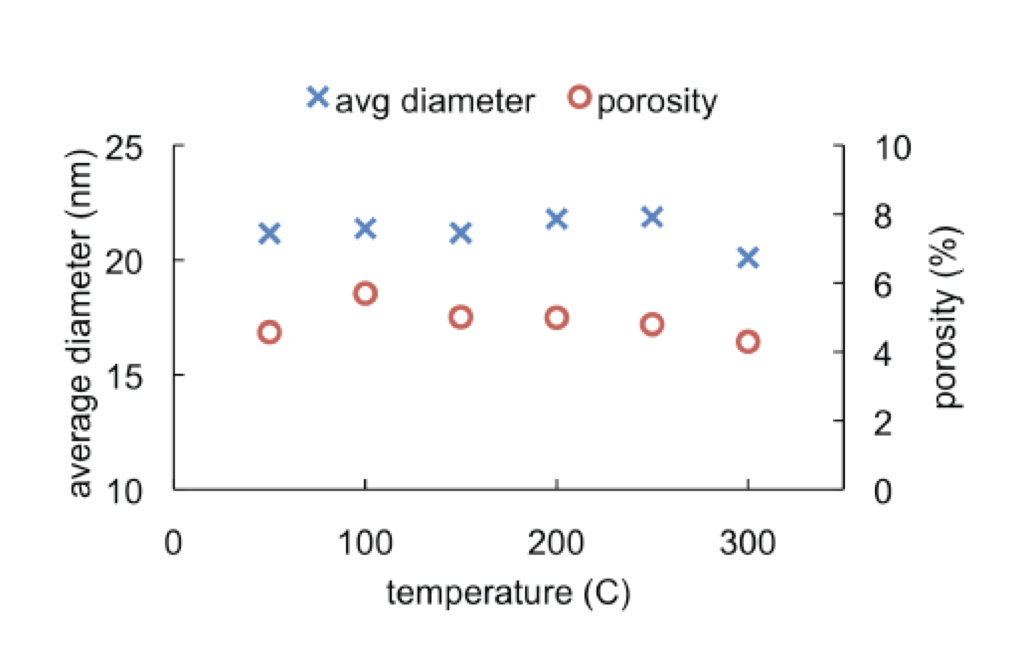
From this plot, it shows that the relative low deposition temperature barely affects the porosity and average diameter. However, the average diameter decreases when the deposition temperature increases to 300C.
In my experiment, I deposited NSN and OSO stacks at 500C and 600C (see the table). The hypothesis was that high temperature deposition would create some locally order structures (silicon crystal nuclei), which would be helpful for the following RTP silicon crystallization, thus enhancing the pore formation.

After deposition, I took some TEM images of NSN stack deposited at 600C. No obvious silicon crystals can be seen from the TEM image and the diffraction image showed that the silicon film was still amorphous.

Samples were then RTP annealed at 1000C for 1minute. The next TEM image is the annealed NSN stack deposited at 600C. Surprisingly, very few pores are formed in this sample. The surface feature is more like pits rather than through pores.
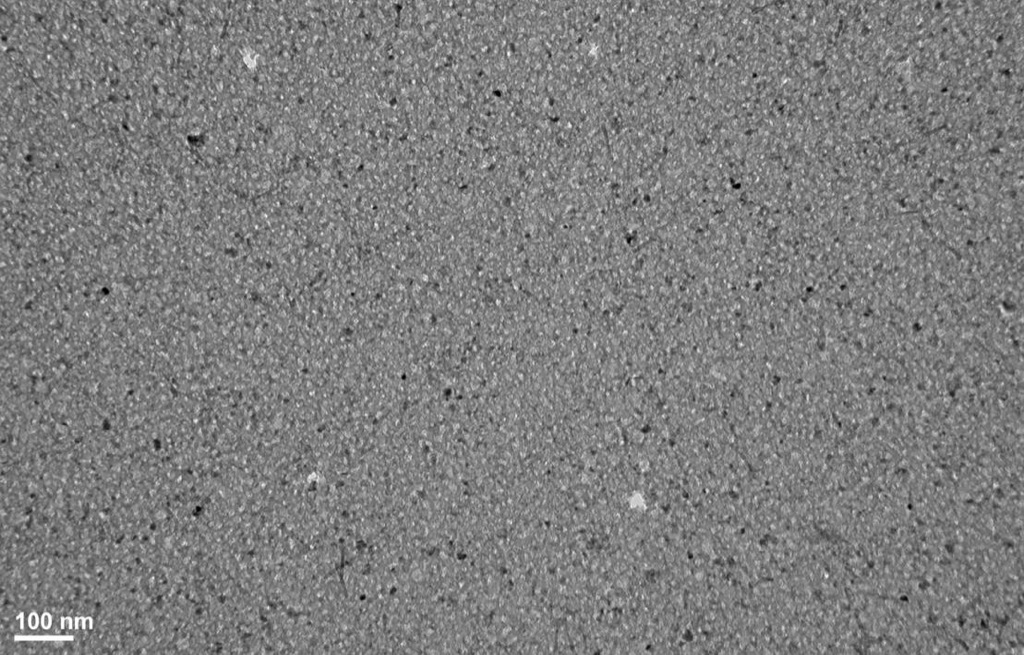
Very similar features are observed from the OSO stacks after annealing. Both samples show very few pores in the silicon film.

Let’s compare the annealed NSN stacks deposited at 150C and 600C. Both samples were annealed at 1000C for 1 minute. Si crystals are much bigger in the silicon film deposited at 150°C than at 600°C.

Similar phenomenon can be seen from the OSO stack.
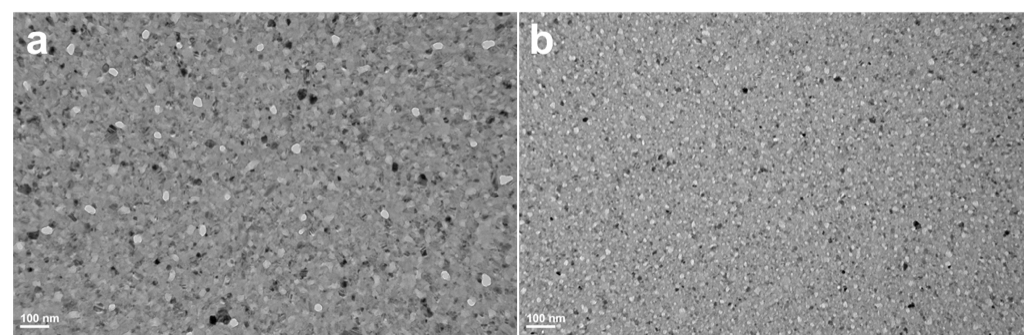
This result indicates that the pore formation and the silicon crystallization are inhibited rather than enhanced. One reason I can think of is due to the defect density. I think the defect, such as vacancy, decreases because of the higher mobility of silicon atoms at higher deposition temperature. During crystallization process, these defects help to nucleate and result in heterogenous crystallization. Since the defect density decreases at the result of high temperature deposition, the silicon crystallization and pore formation are inhibited thereafter.
In sum, here are some conclusions from this experiment.