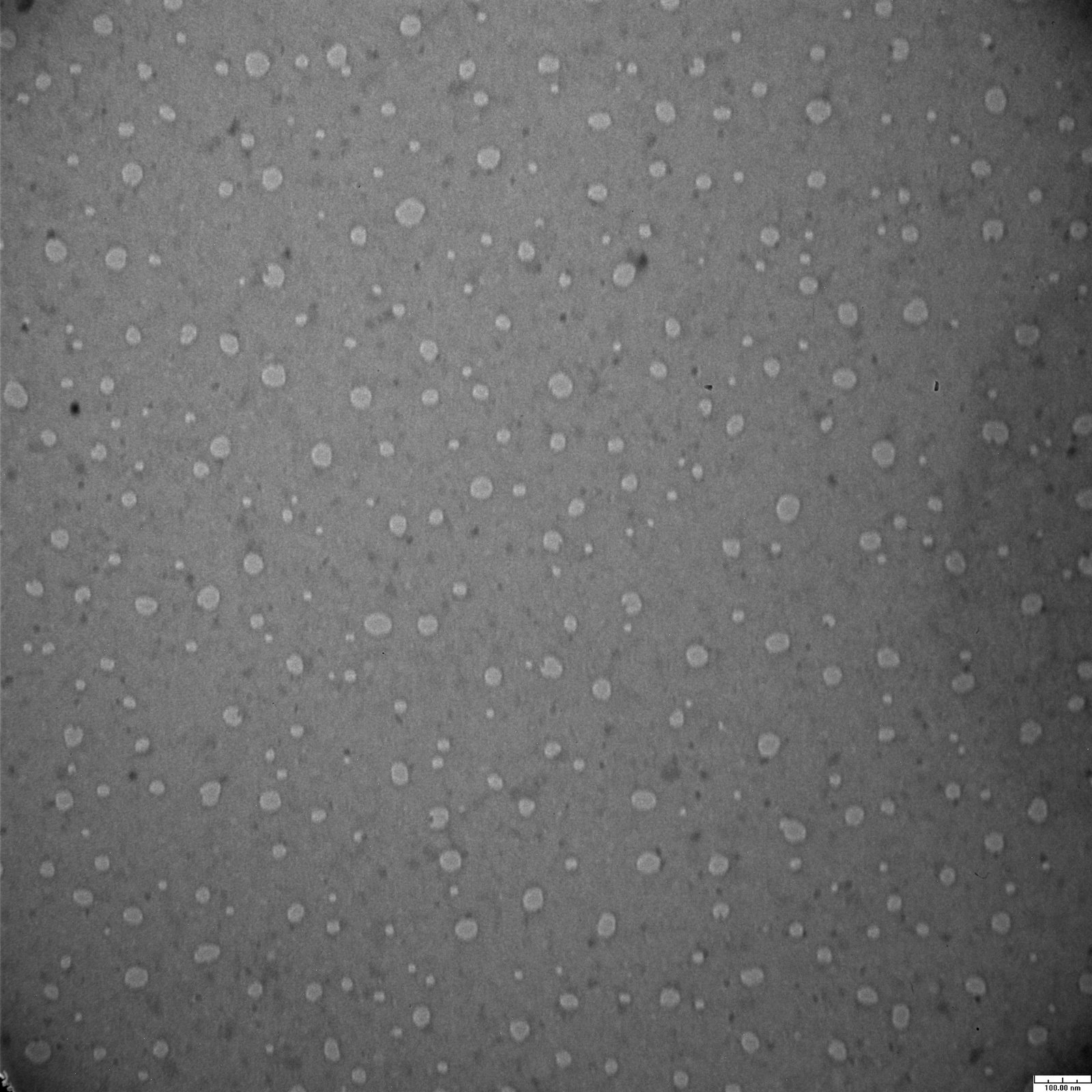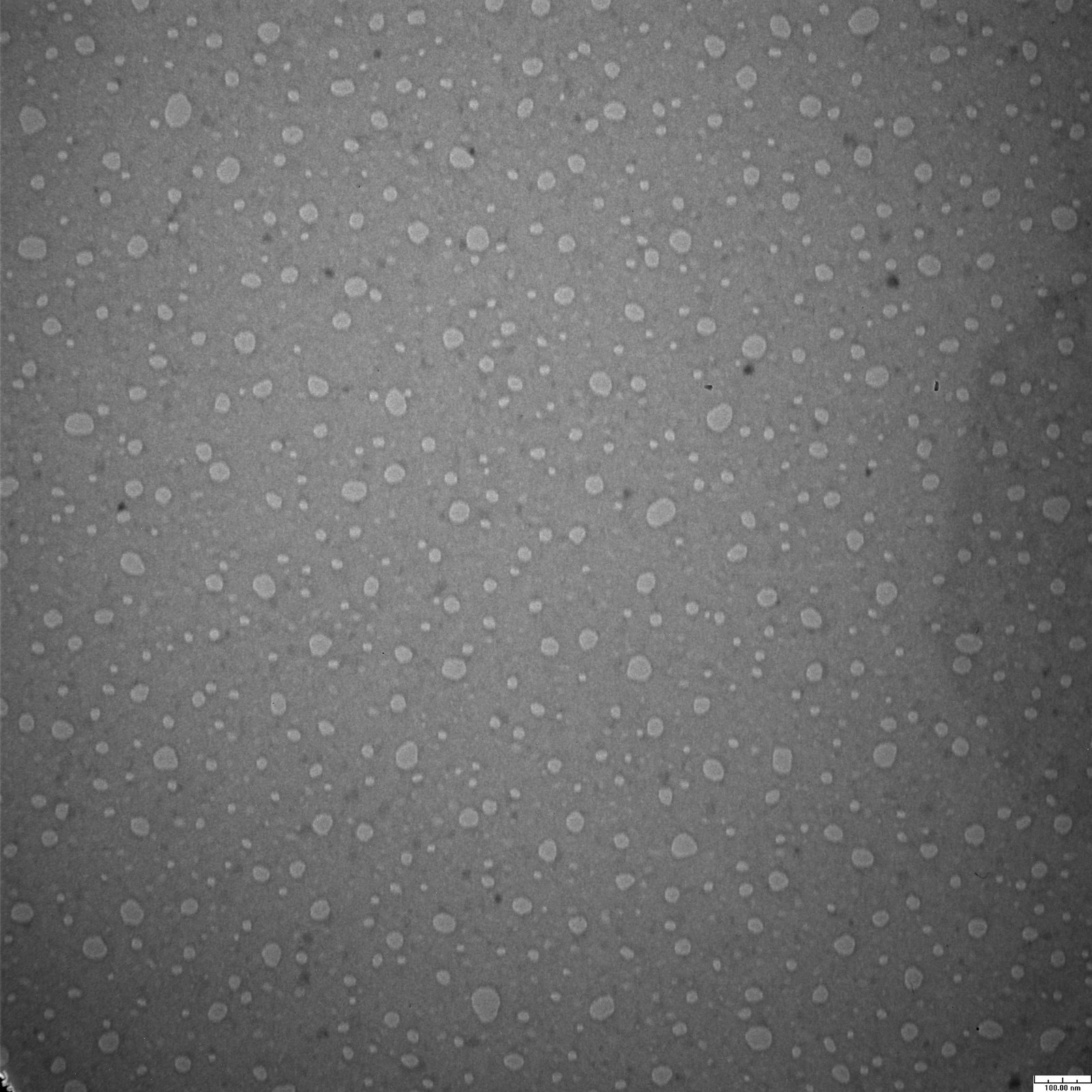
Uniformity!
Wafer 403 was processed last week using the new thermal oxide/TEOS steps outlined in the previous posts. I took images from six positions at different radial positions on different axis. All six samples looked relatively uniform!
The overarching goal of this collaboration is to expose students and faculty at primarily-undegraduate institutions to the technology & expertise available at the University of Rochester. We would like to make this kind of experience a recurring theme at URNano, and we expect to lay the foundations of such a program during the Summer of…
To test the filtration capabilities of our tents, Tucker and I immersed a tented (wafer 1150, ~30 nm pores) oxide structure (~3 um hole diameter, 200 nm high) and a nontented structure in a solution containing 60 nm (.043 nM) and 10 nm (~10 uM) Au nanoparticles for 1 hour (2 uL incubation volume), rinsed them…
EDIT – 2/10/14 – Adding 1 mM phosphate buffer fixes the problems outlined in this post. I’ve been having some trouble taking consistent pH measurements with the new pH probe. Prior to Thanksgiving I made a spectrum of 10 mM KCl buffers (at 4, 6, 7, 8, and 10 pH units) for use in my…
In this post I take a look at the flux of molecules through the 1-D membrane simulations. I will then use this flux to compare to systems lacking a membrane. First off, how to find the flux. Inside the membrane, the Flux = -Dm dc/dx. Unfortunately this is extremely hard to calculate because of the…
Last week’s production yielded two wafers (502 & 504) with defect-free membranes. 506 had a high pinhole density. These wafers have a TEOS mask and were annealed twice; the first anneals did not produce pores so they were annealed again at 1000 C. From these results, it seems that the first anneal “seeds” pore formation…
Dave deposited a series of wafers last week at different temperatures. SC 166 -SC 173 were deposited between RT and 300C. These wafers had Jess’ E.O mask pattern ( circular sepcon) with single , 3,6 and 9 squares. The wafers were mostly pinhole free.In order to determine if deposition temperature affected the nature/ strength of…
Thats great, Dave. Nice job materials people.
Bravo!