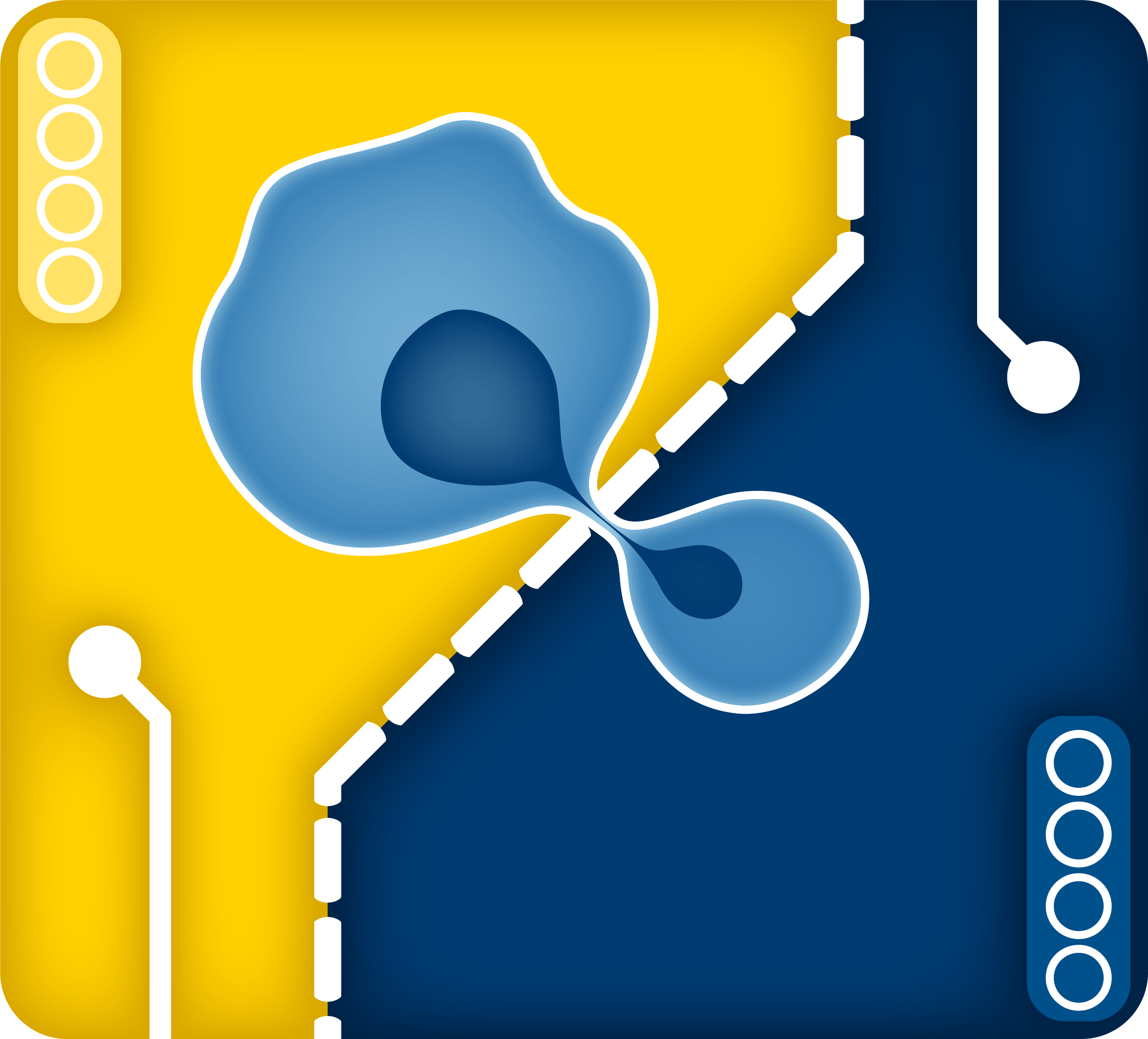
PETL mixer
Adding pockets (250 micron long, 76 micron deep) to the bottom of the channel (channel is 500 microns wide, 125 deep) in a 4 layer PETL (1 inch long chip) promotes disruption of laminar flow.
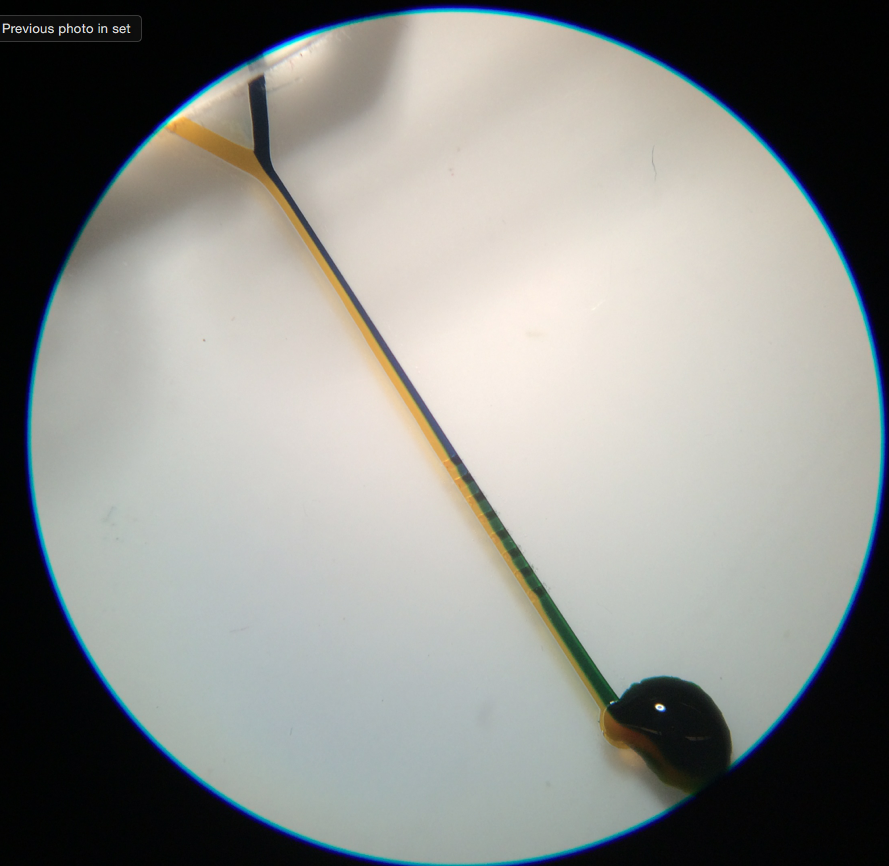
Adding pockets (250 micron long, 76 micron deep) to the bottom of the channel (channel is 500 microns wide, 125 deep) in a 4 layer PETL (1 inch long chip) promotes disruption of laminar flow.
WHERE: URMC ** Room # 4-7545 ** WHEN: Tuesday April 16th & Wednesday the 17th. TIME: 9:00-4:00 P.M. Please drop off your pipettors early as we expect a good turnout. Pipettors will be done on a first come, first served basis. Thank you!
I’ve become increasing suspicious of the membrane clogging during the hydraulic permeability experiments. I ran an experiment where I took three fresh samples (sc 582) and pushed water through for 5, 10, and 20 minutes. Ideally, the permeability would be the same for all three time points. However, I observed a decrease at each increasing…
Just wanted to post an update on the creation of a counter flow system using the pncSi chips from wafer 619 (the wafer with the etched trenches for the insertion of capillary tubing). Over the past few weeks Henry and I have been able to produce a few functional counter flow systems using UV Ozone…
As part of my thesis (and a tie-in to the microplastics research our lab has been conducting) I’ve been working on creating a measure of membrane capacity. A robust way to do this involves using microporous chips and polystyrene beads. Previous experiments on 8 micron slit membranes have shown that phosphate buffered saline (PBS) and…
Since we last discovered our polyurethane acrylate (PUA) has a shelf life (described here) and received a new solution of PUA, we have been trying to replicate the results that we had before. Unfortunately, we have realized that this is much easier said than done. What we have found is the specific dilution of PUA…
Looking back at production over the last year, I noticed that our porosity has dropped considerably. Now that we have a good handle on controlling pinhole density, it is time to focus on controlling morphology again. Below are two examples of a 15 nm and 30 nm pnc-Si film produced this month and one year…
Nice! Now do it with a membrane!