
More on non-uniformity
There’s been some discussion on whether furnace-annealed-only wafers are more uniform than RTP’ed ones. Today, I looked at several samples from wafer 304 (FA 1000 C) at different positions along the y-axis.
(0, 5) – 25kx
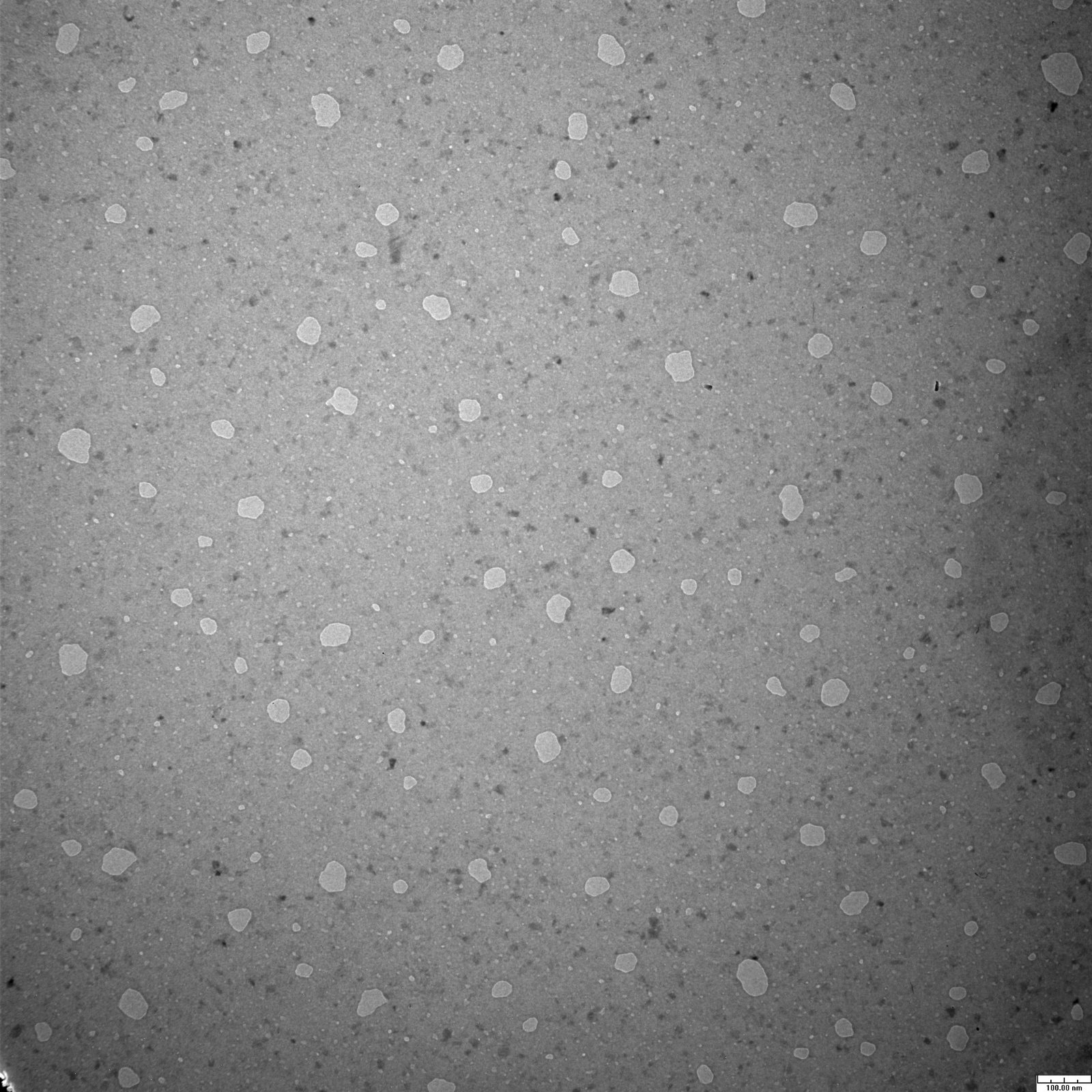
(0,2) – 25kx
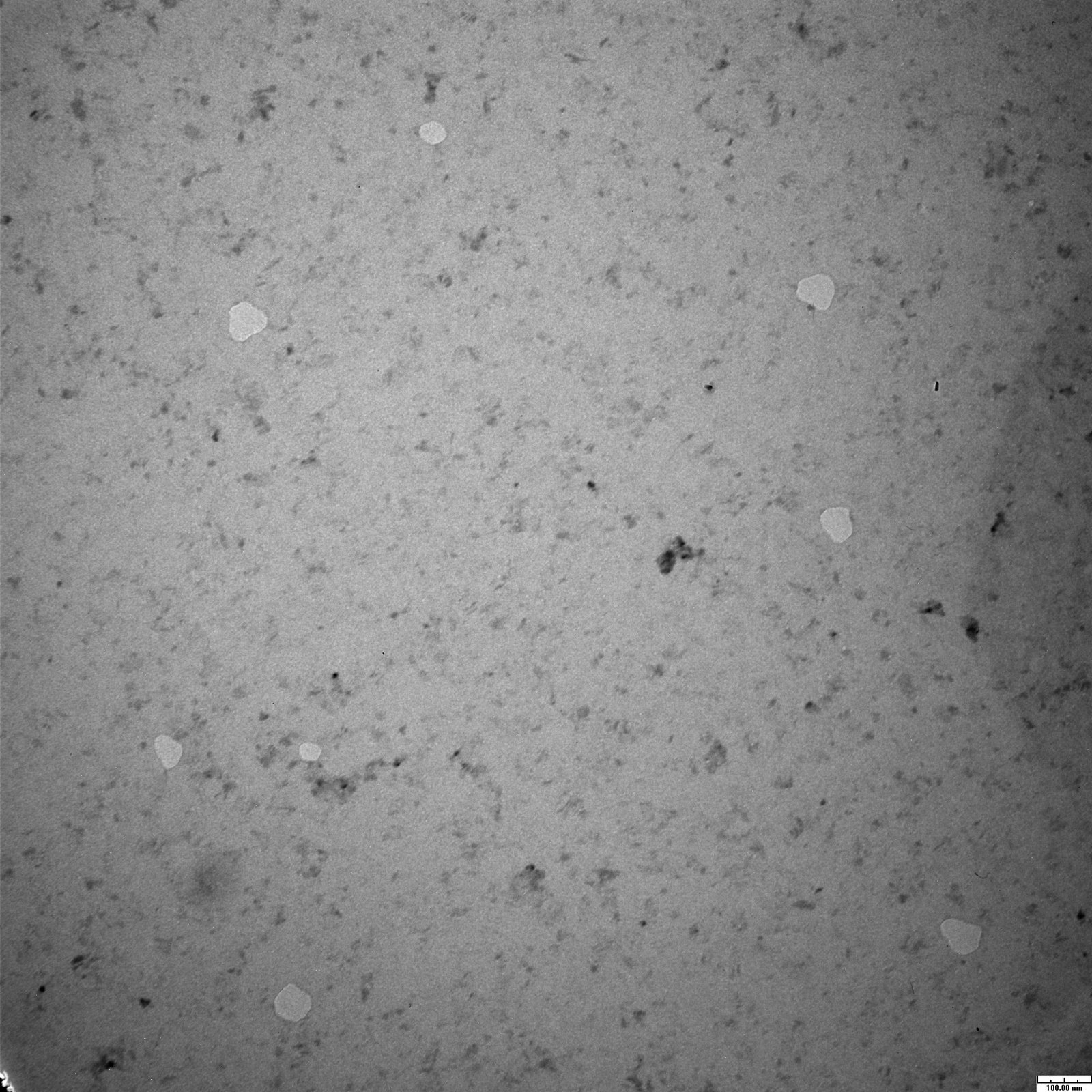
(0,1) – 50kx
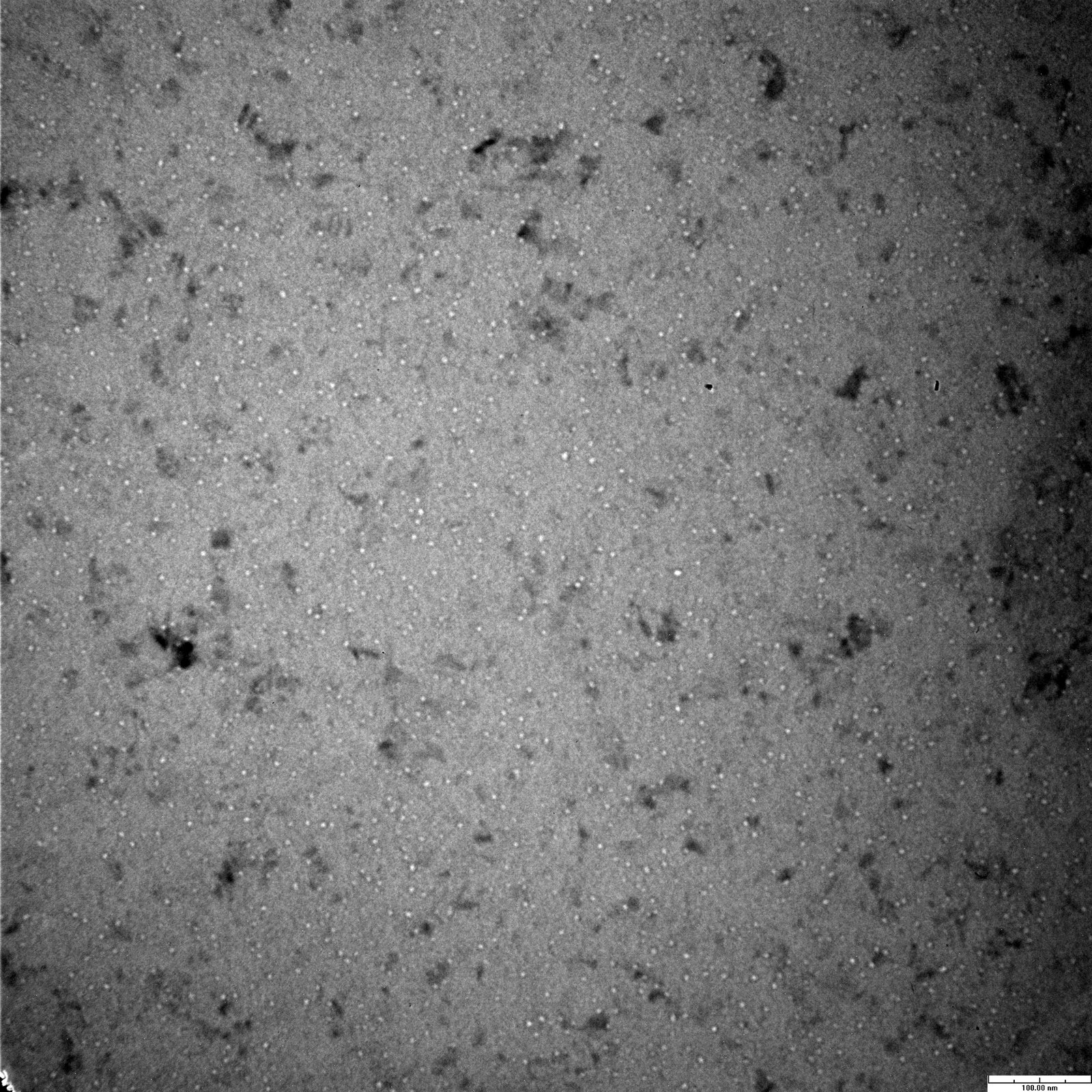
(0, -1) – 25kx
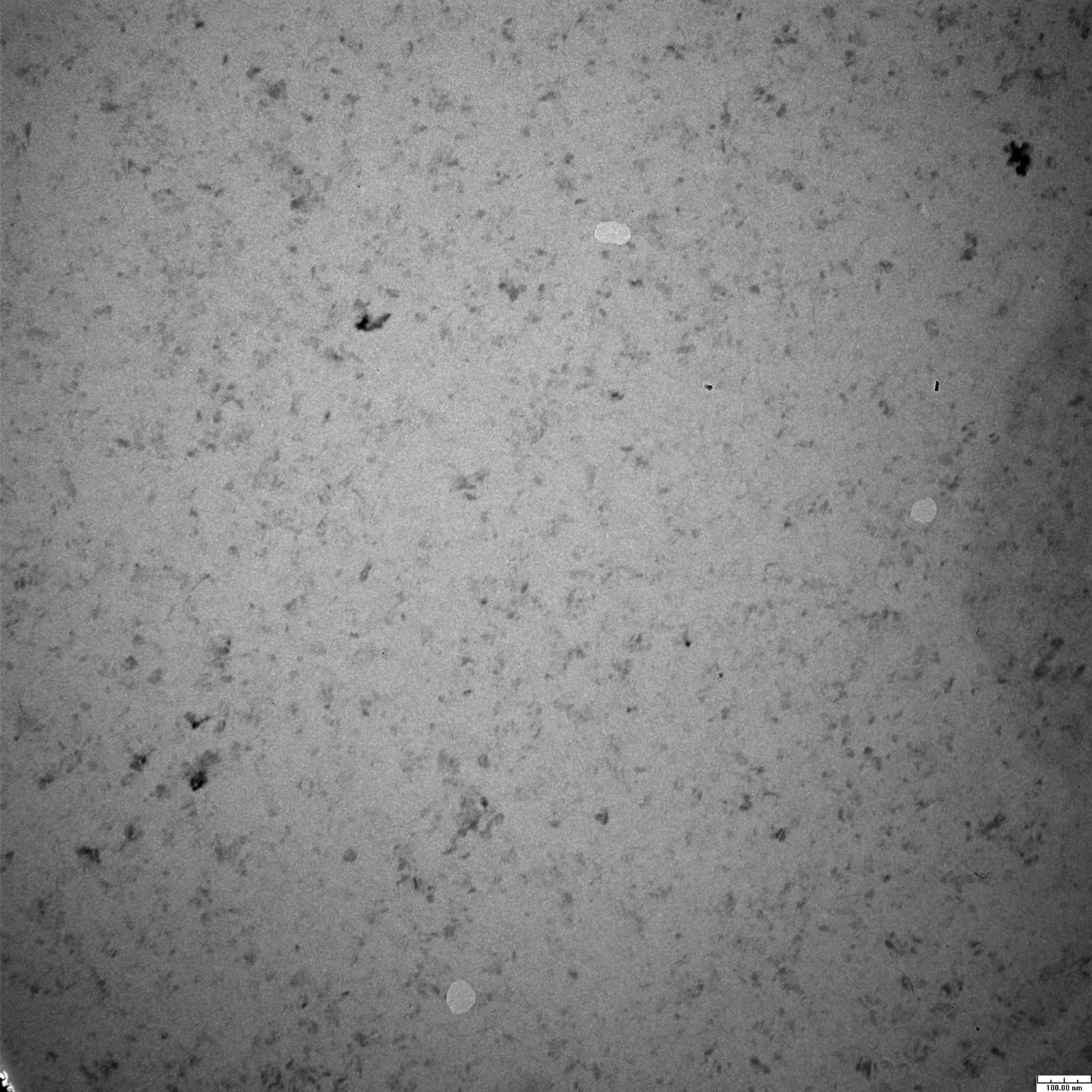 (0, -4) – 25kx
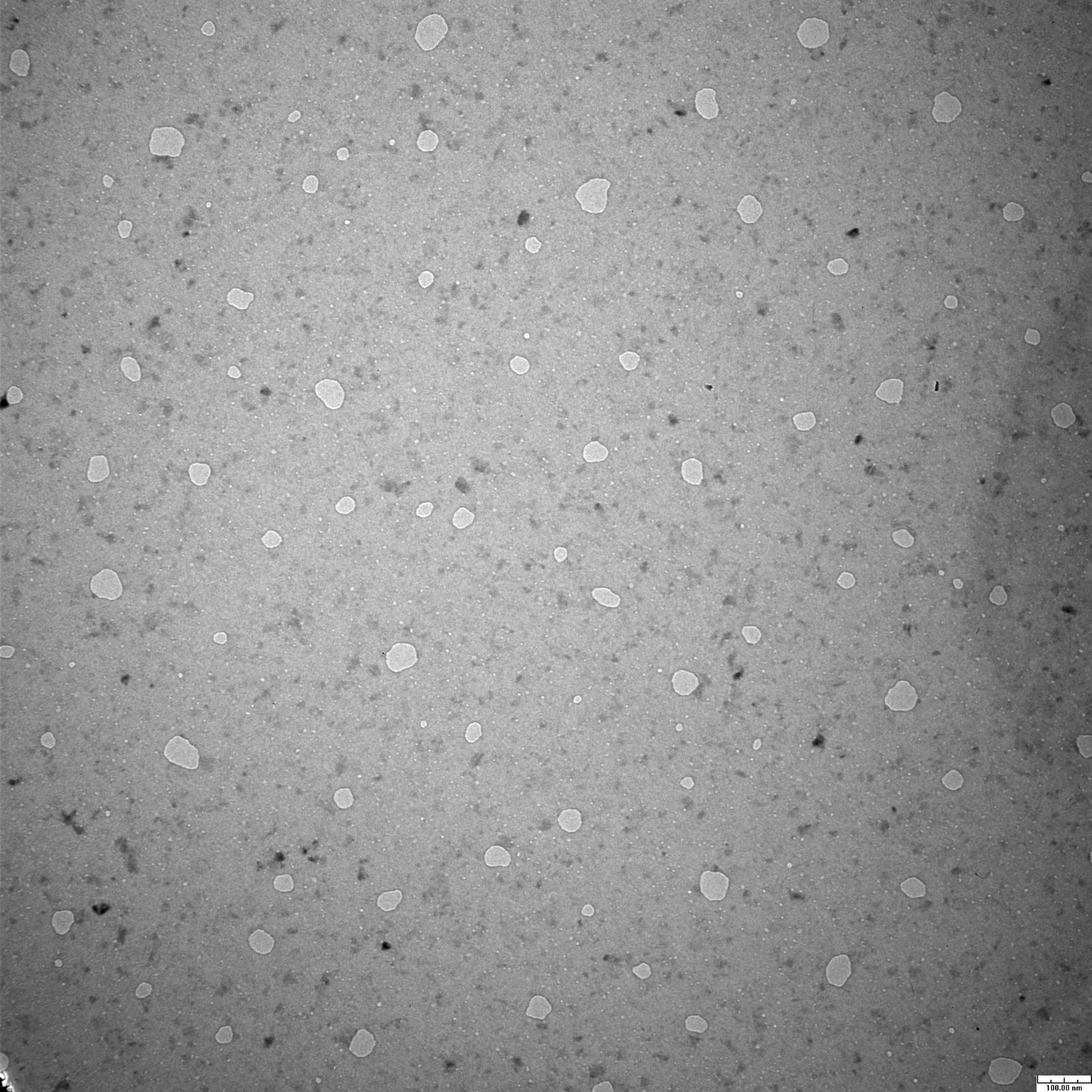 There’s a clear change in porosity with maximums along the most positive/negative positions, and a minimum at the center positions. This is similar to the pattern we’ve observed in the RTP only wafers. What’s curious is that the non-uniformity follows a radial pattern (I’ve looked along the x-axis of wafer 304, as well). If the thermal step was causing it, we would expect a linear pattern to develop, since the heating elements are in a line above the wafer.
Original post on non-uniformity here.
Wow, these differences are striking, and it would be interesting to see if the new RTP makes a difference. I still think it’s possible for the thermal step to be causing this problem, when you think about the dynamics of the heating process. Most of what we know about the temperature of a wafer is for steady-state conditions.
The deposition system may also be causing this effect. Let’s keep an eye on the samples that were made at room temperature and see if the uniformity differs from those deposited at 450C.
Other ideas would be welcome…
There is good evidence (including results of oxide uniformity) that the wafer has a linear temperature profile, with the maxima at the top of the wafer, decreasing linear when approaching the bottom of the wafer. If temperature is directly related to pore formation, I would suggest that this is a deposition issue.
There are virtually no pores in the center of the wafer. I would argue that, in the case of oxide growth, the center of the wafer in the furnace represents the average temperature of the wafer. I doubt the center of the wafer in this case saw a temperature less than 900C.